Luxembourg: A Striking Typeface Rooted in National Pride
Imagine a typeface that does more than just spell out words—it tells a story. For designers and creators constantly hunting for assets that bring genuine personality to a project, finding a font with built-in narrative is a major win. The Luxembourg font captures this perfectly, drawing its visual essence directly from the vibrant red, white, and blue of the Luxembourgish flag. This isn't just another set of letters; it's a tool for injecting a sense of cool, national pride and bold graphic style into your work, whether you're crafting a brand identity or designing a standout poster.
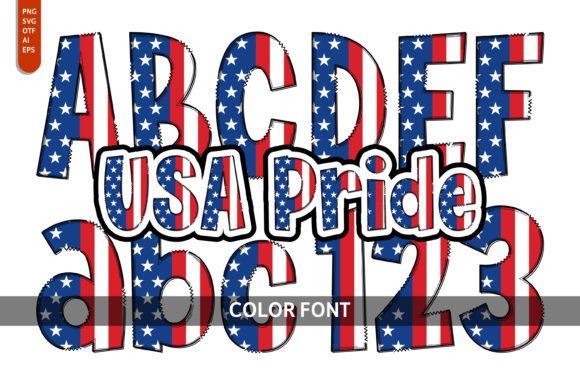
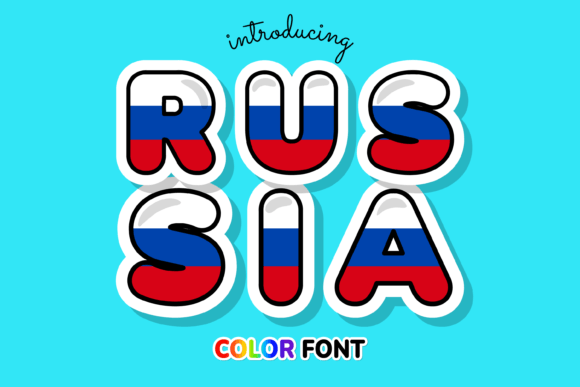
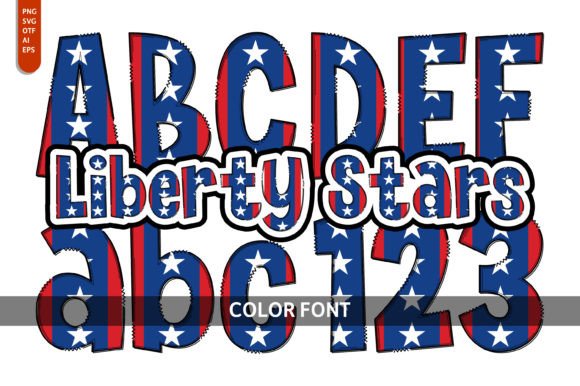
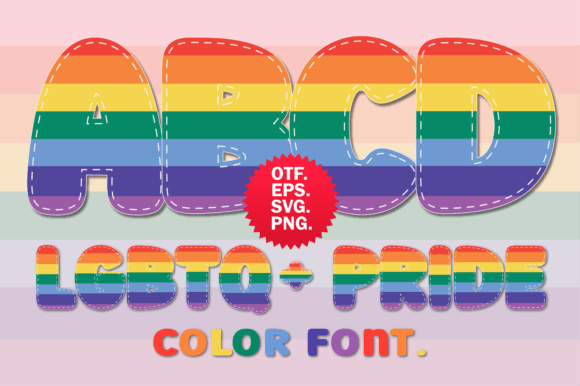
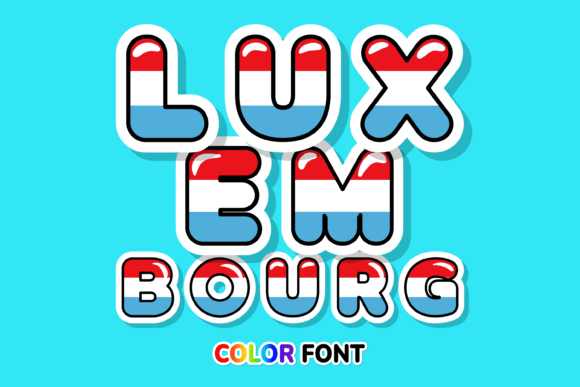
At its core, Luxembourg is a premium font that operates as a color typeface, specifically in the Opentype-SVG format. This technical detail is key to its magic. Unlike traditional fonts that render in a single flat color, color fonts like Luxembourg can incorporate multiple colors, gradients, and even textures directly within the letterforms. The result is text that pops off the screen or page with a multi-dimensional, almost illustrative quality. Its design style leans into a clean, modern aesthetic with a strong geometric influence, making it feel both contemporary and timeless. The visual characteristics are defined by its tricolor palette, offering an immediate visual impact that standard serif or sans serif fonts simply can't match.
Practical Applications for a Distinctive Font
So, where does a font like Luxembourg truly shine? Its value lies in its versatility for projects that demand attention and convey a specific, stylish vibe. Think beyond just headers; this typeface can become a cornerstone of your visual communication.
For branding and logo design, it offers a fantastic shortcut to creating a memorable mark. A bakery with a European flair, a tech startup wanting a bold, patriotic edge, or a travel blog focused on the Benelux region could use Luxembourg to instantly set their tone. In packaging design, it can make product labels leap off the shelf, especially for gourmet foods, craft beverages, or specialty gifts where presentation is everything. The font's inherent cool factor makes it a natural fit for social media graphics—think eye-catching Instagram story headers, Pinterest pins, or YouTube thumbnails that stop the scroll.
Its applications extend beautifully into the physical world. For print materials like event posters, business cards, or brochure headers, it guarantees a professional and engaging presentation. Invitations for weddings, galas, or corporate events gain a layer of sophistication and thematic consistency. Even merchandise like t-shirts, mugs, or tote bags can benefit from its striking appearance, turning everyday items into conversation starters.
Strategic Typography for Better Results
Choosing the right font is a strategic decision that impacts how your audience perceives and interacts with your content. A typeface like Luxembourg can directly improve several key aspects of your design work. Its high-contrast, colorful nature enhances visual consistency when used as a primary display font, creating a cohesive look across all brand touchpoints. This consistency is the bedrock of strong brand recognition.
While it's not intended for body copy, its role as a display font is crucial for guiding the viewer's eye. Using it for headlines and pull quotes improves the overall readability of your layout by creating clear visual hierarchy. A well-chosen, impactful header font makes the following body text, whether a sans serif or serif, feel more inviting to read. This thoughtful pairing elevates the professional presentation of your entire project, signaling to your audience that you care about details. Ultimately, a visually engaging element like this font boosts audience engagement—people are more likely to stop, read, and remember content that looks unique and carefully crafted.
Working with a Color Font: Key Considerations
Adopting a color font like Luxembourg requires a few practical considerations to ensure it works seamlessly in your workflow. First and foremost, compatibility is essential. As an Opentype-SVG font, it works beautifully with major creative software including Adobe Photoshop, Illustrator, Silhouette Studio, and Inkscape. However, it's important to note that the standard OTF or TTF files are not compatible with Cricut machines. If you're a crafter, always check the software requirements before purchasing any design asset.
When integrating it into your projects, think about context. Its bold, colorful personality makes it best suited for short bursts of text—headlines, titles, logos, and single-word accents. Pairing it wisely is key. A clean, neutral font pairing partner, such as a simple sans serif like Montserrat or a classic serif like Playfair Display, will allow Luxembourg to stand out without creating visual chaos. Test your pairings at different sizes to see how they interact on screen and in print.
For those using it in commercial projects, reviewing the included font styles and the licensing agreement is a critical step. Understanding whether the license covers your intended use—be it for client work, merchandise for sale, or digital products—ensures you're using the font correctly and ethically. This attention to detail separates hobbyist projects from professional commercial font applications.
In the crowded landscape of modern typography, the Luxembourg color typeface offers a genuinely cool and functional solution. It provides a direct way to incorporate the bold, proud aesthetic of a national flag into diverse creative projects. By understanding its strengths as a display font and pairing it thoughtfully, you can leverage its unique visual power to create more engaging, consistent, and professional designs that truly resonate with your audience.