Russia: A Bold Typeface with Striking Tricolor Character
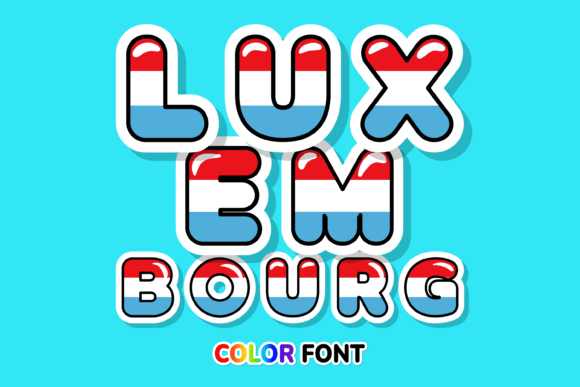
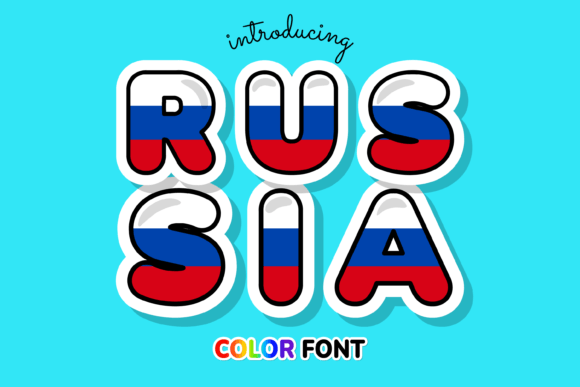
There's a particular energy that comes from typography that carries a strong national palette. The Russia font captures this instantly, offering designers a display typeface styled after the iconic tricolor of the Russian flag. Its characters aren't just letters; they're visual statements. The bold, clean forms are sliced and colored in distinct bands of white, blue, and red, creating an immediate sense of place and identity. This isn't a subtle background player—it's a font that demands attention and makes a clear, confident impression. For anyone working on a project that needs to evoke strength, heritage, or a straightforward, patriotic vibe, this typeface provides a ready-made solution with considerable visual punch.
Where This Display Font Truly Shines
The practical applications for a premium font like this are surprisingly diverse, extending well beyond the obvious. Its value lies in its ability to act as a powerful visual shorthand. For branding and logo design, using the Russia font can instantly anchor a company's identity to themes of tradition, resilience, or a specific cultural connection. Think of a sports brand emphasizing athletic rigor, a logistics company highlighting its Eastern European routes, or a cultural festival's promotional materials. The font does the heavy lifting of establishing context before a single word of copy is read.
Beyond logos, consider its role in packaging design. A product line featuring Russian chocolates, vodka, or traditional crafts could use this typeface on its labels and boxes to create authentic, shelf-stopping appeal. The tricolor bands add a layer of perceived quality and origin story. Similarly, for social media graphics, a well-placed headline in the Russia font can make a post stand out in a crowded feed, especially for content related to travel, history, or international news. Its bold structure ensures readability even as a thumbnail.
For print materials like posters, event invitations, or editorial layouts in magazines, this creative font serves as a striking headline or pull-quote style. It commands the page and sets a definitive tone. Merchandise such as t-shirts, caps, or tote bags also benefits from its distinct look, offering a clean, graphic design that resonates with specific audiences. The key is to use it strategically where its inherent personality supports the project's message, rather than as a default text font for lengthy paragraphs.
Integrating a Strong Typeface into Your Design System
Working with a display font as distinctive as Russia requires some thoughtful pairing to maintain professional presentation and visual consistency. The goal is to let the font be the star while ensuring the overall design remains balanced and readable. A common and effective strategy is to pair it with a clean, neutral sans serif font for body text or supporting information. Typefaces like Open Sans, Lato, or Roboto provide a calm, highly legible counterpoint to the Russia font's vibrant energy. This contrast allows the display font to capture attention without overwhelming the viewer.
Another approach, especially for projects leaning into a more traditional or editorial feel, is to pair it with a classic serif font. The combination can feel authoritative and sophisticated. Always test your font pairings in context—view them at the actual size they'll be used, on both desktop and mobile screens for web design projects. Check the spacing (kerning) of the Russia font, as its colored bands might affect the perceived spacing between letters. Most premium font files include different styles or weights; review what's included. You might find versions optimized for smaller sizes or with slightly adjusted coloring for better legibility in complex layouts.
When selecting this typeface, think about your audience. It communicates a very specific message. For a small business owner creating marketing assets for a local Russian restaurant or a travel blogger, it could be a perfect fit. For a corporate tech startup aiming for a minimalist, global image, it might be too niche. The best use comes from matching the font's personality directly to the project's goals and the audience's expectations. This alignment between typography and intent is what separates good design from great, memorable design.
A Practical Tool for Specific Creative Needs
Ultimately, the Russia font is a specialized tool in a designer's toolkit. It excels when you need to make a bold, culturally specific statement quickly. Its strength in brand recognition is immediate; once seen, the tricolor association is hard to forget. This can be a major advantage for the right project. For content creators and marketers, it offers a way to add authentic flair to digital products, blog headers, or video thumbnails that might otherwise rely on generic imagery.
As with any commercial font, always verify the licensing terms before use, especially for merchandise or large-scale distribution. Most licenses for such a creative font allow for broad use in digital and print projects, but it's a crucial step to ensure compliance. Think of this typeface not as a replacement for your entire font library, but as a powerful accent—a way to inject specific energy and visual storytelling into your work when the situation calls for it. Used with intention, it can transform a standard design into something distinctly memorable and engaging.