Cheesecake: The Playful Display Font That Whips Up Creative Magic
You know that feeling when you see a design that just makes you smile? There's often something about the typography that catches your eye first—something warm, inviting, and maybe a little bit whimsical. That's exactly the kind of energy the Cheesecake font brings to the table. If you've been hunting for a typeface that balances artistic flair with genuine versatility, this one deserves a closer look.
What Makes This Typeface Stand Out in a Crowded Font Library
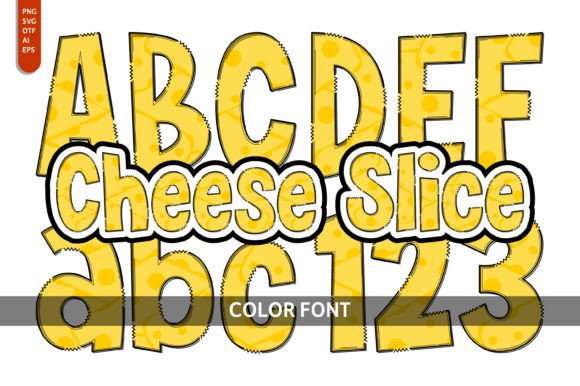
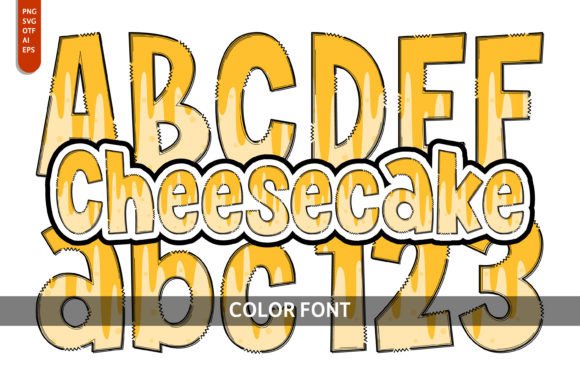
Cheesecake isn't your typical script or handwritten font. It's a color font built using OpenType-SVG technology, which means each letter carries its own visual richness—think gradients, textures, and depth that you'd normally only achieve through manual illustration. The result is a typeface that feels hand-crafted and vibrant without requiring hours of post-processing work.
What really sets it apart is its personality. The letterforms have a playful, almost storybook quality that manages to feel artistic rather than childish. The strokes flow naturally, with enough variation to mimic genuine hand-lettering while staying clean enough for professional applications. It's the kind of design asset that can make a children's book cover pop off the shelf or give a bakery's branding that irresistible artisan charm.
Where Cheesecake Truly Shines: Real-World Applications
Let's get practical. A font is only as valuable as the projects you can actually use it for, and Cheesecake covers an impressive range of creative territory.
Branding and Logo Design: If you're building a brand identity for something playful, approachable, or creative—think boutique bakeries, children's clothing lines, handmade cosmetics, or indie craft studios—this typeface can become the visual anchor of your entire look. It pairs beautifully with clean sans serif fonts for body text, letting the display font do the heavy lifting on headlines and logos without overwhelming the overall design.
Packaging and Product Labels: Shelf appeal matters enormously. Whether you're designing labels for artisan jam, custom candles, or specialty coffee, Cheesecake gives packaging that handcrafted, premium feel that signals quality to browsing shoppers. The built-in color and texture mean your type doesn't need additional effects to look polished.
Social Media Graphics and Digital Marketing: Standing out in a crowded feed requires visual personality. This font works wonderfully for Instagram quotes, Pinterest pins, Facebook event headers, and promotional banners. Its eye-catching character naturally draws attention, which can genuinely improve engagement rates on visual platforms.
Invitations, Greeting Cards, and Print Materials: Wedding invitations, birthday party announcements, holiday cards, thank-you notes—Cheesecake was practically designed for these applications. The whimsical yet elegant letterforms strike that perfect balance between celebratory and sophisticated.
Editorial and Book Design: Children's book covers, chapter headings in lifestyle magazines, blog post graphics, and digital product layouts all benefit from a display font with this much character. It creates visual hierarchy instantly, guiding readers' eyes exactly where you want them.
Merchandise and Physical Products: Tote bags, mugs, stickers, t-shirts—the world of print-on-demand and custom merchandise thrives on bold, distinctive typography. A font like Cheesecake can transform a simple product into something that feels curated and intentional.
Practical Tips for Getting the Most From Your Font Choice
Having a beautiful typeface is one thing. Using it effectively is another entirely. Here are some grounded recommendations for working with display fonts like Cheesecake in real projects.
Test Your Pairings Before Committing. Display fonts rarely work well for body text. Pair Cheesecake with a clean, highly readable sans serif or a simple serif for longer passages. Spend time experimenting with combinations—sometimes the unexpected pairing creates the most memorable result. Try it alongside fonts like Montserrat, Lora, or Open Sans to see what clicks with your specific project.
Consider Your Audience and Context. A font that's perfect for a children's party invitation might not suit a corporate annual report—and that's completely fine. Cheesecake works best when your project benefits from warmth, creativity, and personality. If your audience expects formality, choose accordingly. If they appreciate artistry and approachability, you've found your match.
Respect Readability at Every Size. Even the most gorgeous font becomes useless if people can't read it. Always test your designs at the actual size they'll be viewed. A headline that looks stunning on your 27-inch monitor might become illegible as a mobile app icon. Print a test copy when working on physical products. Check contrast against backgrounds. These small steps prevent big headaches later.
Understand the Technical Specs. Cheesecake is delivered as an OpenType-SVG color font, which is an important detail. This format is fully compatible with professional design software including Adobe Photoshop, Adobe Illustrator, Silhouette Studio, and Inkscape. However, it's worth noting that the OTF and TTF files are not compatible with Cricut machines. If you use Cricut for cutting projects, you'll want to work within compatible software first and export your designs as flattened images or SVG cut files. Checking the included font guide can save you troubleshooting time down the road.
Building Visual Consistency Across Your Brand or Projects
One of the most overlooked aspects of good design is consistency. When your typography stays cohesive across your website, social channels, printed materials, and packaging, people start recognizing your brand before they even read the words. That recognition builds trust, and trust drives business.
Choosing a display typeface like Cheesecake as part of your core brand toolkit gives you a reliable visual signature. Use it consistently for specific purposes—headlines, hero text, featured quotes, product names—while letting your secondary font handle the supporting role. This creates a clear typographic hierarchy that makes every piece of communication feel intentional and professional.
Keep a simple style reference document that outlines which font goes where. Note your primary display choice, your body text font, your accent or secondary options, and your color palette. This becomes invaluable when you're creating new assets quickly or handing off design work to a collaborator. Consistency isn't about rigidity—it's about having a framework that makes creative decisions faster and more confident.
A Creative Asset Worth Exploring
Finding the right typeface often feels like searching for a needle in a haystack. You scroll through hundreds of options, download dozens of free trials, and still end up settling for something that's merely adequate. Cheesecake offers something different—a font with genuine personality that doesn't sacrifice usability for style. Whether you're a small business owner refreshing your visual identity, a designer building out a client's brand system, or a crafter looking for that perfect type for your next project, it's the kind of creative tool that earns its place in your permanent collection.
The best typography decisions happen when aesthetics meet intention. Pick fonts that genuinely reflect the character of your project, pair them thoughtfully, test them thoroughly, and apply them consistently. That's where good design becomes great design—and where a playful, well-crafted typeface like Cheesecake can make all the difference.