Pride Lgbtq+ Typography: Designing with Vibrant Identity
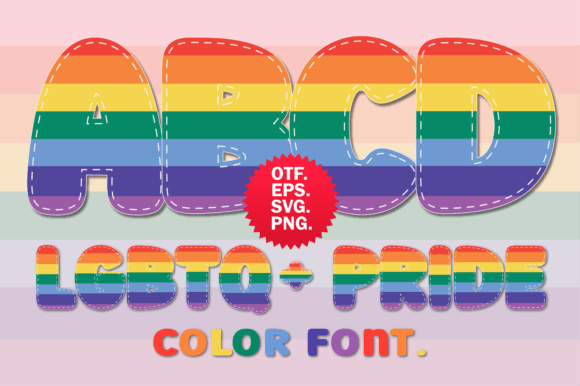
There is a specific energy required to capture the spirit of a movement that is fundamentally about visibility, love, and celebration. In the world of visual communication, color does most of the emotional heavy lifting, but typography usually plays the quiet, neutral background role. We are accustomed to seeing serifs and sans-serifs in stark black or white, serving as the vessel for the message rather than the message itself. However, the digital design landscape is shifting, and color fonts are leading the charge. Imagine a typeface that refuses to be a silent observer; a font that arrives on the canvas already dressed for the parade. That is the experience of working with the Pride Lgbtq+ font. It is not merely a set of characters; it is a typographic embodiment of the Progress Pride flag, translating the bold, vibrant stripes of the community into legible, artistic strokes.
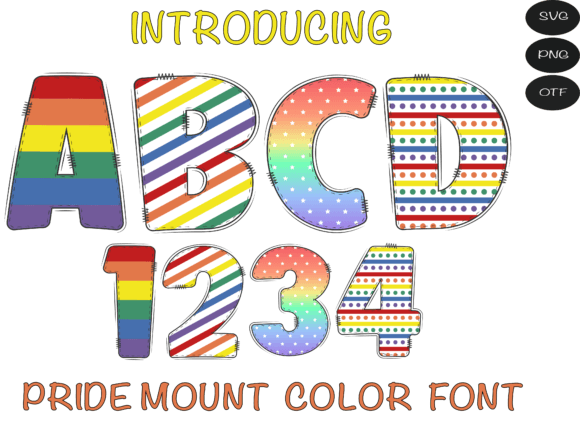
As a designer or creative entrepreneur, you understand that typography sets the tone before a single word is read. This particular typeface functions as a "magical rainbow that dances on paper," utilizing OpenType-SVG technology to render high-fidelity gradients and textures directly within the text layer. Gone are the days of manually clipping masks or applying complex layer styles to achieve a rainbow effect. With this font, every letter you type is a small celebration, featuring bold strokes filled with the harmonious blend of red, orange, yellow, green, blue, and purple. For content creators, marketers, and small business owners, this represents a significant leap in efficiency and creativity. It allows you to inject inclusivity and joy into your work instantly, ensuring that your visual language speaks the dialect of acceptance and support without needing a translator.
The Visual Mechanics of a Modern Display Typeface
To appreciate the utility of this asset, it helps to understand the technology behind it. This is a premium color font, specifically an OpenType-SVG file. Unlike traditional vector fonts that rely on a single color (which you change in your software), color fonts contain bitmap data or vector data that retains complex color information, including gradients and transparency. The Pride Lgbtq+ typeface leverages this to create a textured, painted look. It mimics the appearance of a hand-painted sign or a high-resolution digital illustration, giving your text an immediate "finished" look.
However, this visual richness comes with specific technical considerations that are crucial for a professional workflow. Because the font contains this embedded graphic data, it behaves differently than a standard serif font or a minimalist sans serif font. It is a heavyweight display font, designed for impact rather than body copy. When you install the OTF or TTF files, you are installing a piece of software that tells your design program how to draw these complex images repeatedly. It is vital to note the compatibility requirements: this font works beautifully in raster and vector editing software like Adobe Photoshop, Adobe Illustrator, and Inkscape. It is also compatible with cutting machines like the Silhouette. However, standard Cricut machines often struggle with the complexity of OpenType-SVG files, meaning you may need to use a "Print then Cut" method or flatten the design in software like Design Space before sending it to the cutter. Understanding these technical boundaries ensures you don't hit a roadblock halfway through a project deadline.
Practical Applications: From Brand Identity to Social Media
The versatility of the Pride Lgbtq+ font extends far beyond simple poster making. In the realm of branding, consistency is king, but personality is the queen that captures hearts. For businesses that align with LGBTQ+ values—whether they are owned by members of the community or are staunch allies—this typeface offers a powerful way to signal those values visually.
Consider the impact on logo design. A logo needs to be memorable, and nothing catches the eye quite like a full spectrum of color. Using this font for a wordmark allows a brand to instantly convey vibrancy and modernity. It works exceptionally well for lifestyle brands, creative agencies, event planners, and non-profits. However, because it is a display font, legibility is optimized for larger sizes. It is perfect for the main headline of a logo, but you would want to pair it with a clean, geometric sans-serif for the supporting tagline to ensure the design doesn't become cluttered.
In packaging design, this font can serve as a focal point for limited edition runs or specific product lines. Imagine a cosmetics brand releasing a Pride collection; the packaging needs to scream "celebration." This typeface does that heavy lifting, turning the product name into a piece of art. Similarly, for social media graphics, where the scroll-stop is the ultimate goal, a header written in the Pride font creates an immediate emotional connection. It suggests that the content following it will be inclusive, fun, and visually stimulating.
Strategic Pairings and Readability
One of the most common pitfalls in using a highly stylized font is overuse. If you set an entire paragraph in the Pride Lgbtq+ typeface, the visual noise will overwhelm the reader, and the text will become illegible. The key to professional presentation is restraint and balance. This is where the art of font pairing becomes essential.
Because the Pride font is loud, exuberant, and textured, it demands a quiet partner. Think of it as a lead singer and a rhythm section. You need a typeface that supports the lead without trying to out-sing it.
- Pairing with Sans-Serifs: A clean, modern sans-serif like Montserrat, Roboto, or Helvetica Neue provides the perfect neutral canvas. The simplicity of the sans-serif allows the rainbow gradients of the Pride font to pop without competition. This pairing is excellent for web design and digital products, where screen resolution needs to be considered.
- Pairing with Serifs: For a more editorial or sophisticated look, try pairing it with a classic serif font like Georgia or Garamond. This contrast creates a high-fashion aesthetic, suitable for editorial layouts or magazine covers. The traditional structure of the serif grounds the modern, fluid nature of the rainbow typeface.
When testing your pairings, pay close attention to x-heights and weight. You want the two fonts to feel like they belong on the same page, even if their personalities are vastly different. Always view your mockups at the size they will be displayed in the real world. A header that looks legible on a 27-inch monitor might become a blur of color on a mobile screen. Adjusting letter-spacing (tracking) can also help improve readability, giving the complex letters room to breathe.
Creative Assets for Marketing and Events
For the creative entrepreneur or event planner, the utility of this font shines in marketing assets and physical merchandise. Creating invitations for Pride events, fundraisers, or weddings becomes a joy when the typography itself carries the theme. You don't need to add excessive clipart or background graphics; the text is the decoration.
Furthermore, consider the world of merchandise. T-shirts, tote bags, and mugs are staples of the creator economy. When designing for merchandise, you are often working with a limited canvas. A single word or a short phrase—like "Love," "Pride," or "Equality"—rendered in this vibrant font can create a best-selling product. It transforms a plain white tee into a statement piece. Because the font simulates a painted or printed texture, it translates well to physical goods, giving them a tactile, hand-made quality that resonates with consumers looking for authenticity.
Even in blogs and digital content, using this font for featured images or "Pin" graphics can drastically improve click-through rates. Visual consistency across your digital platforms builds brand recognition. By utilizing the same vibrant typeface across your Instagram stories, your website headers, and your email newsletters, you create a cohesive visual identity that audiences learn to recognize and trust.
Navigating Commercial Use and Licensing
As you integrate the Pride Lgbtq+ font into your workflow, it is imperative to address the legal side of design assets. Most premium fonts come with specific licensing agreements that dictate how the font can be used. Generally, a standard license covers personal use and small-scale commercial use (like selling a batch of t-shirts or using it for a client's logo). However, if you are a large corporation or plan to embed the font in an app or software, you may need an extended license.
Always read the license agreement included with your download. Respecting the typographer's work ensures that designers can continue to create high-quality, specialized assets like this one. If you are using the font for a client project, ensure the license covers "work for service" or that the client purchases their own copy of the font to hold in their own asset library. This protects both you and your client legally and ensures visual consistency should you part ways later.
Designing with Intent and Inclusivity
Ultimately, typography is a tool for communication, but it is also a carrier of culture. Choosing to use the Pride Lgbtq+ font is a stylistic choice, but it is also a statement of values. It signals to your audience that you see them, you celebrate them, and you are part of a modern, inclusive conversation.
When you drop this font into your design software, you aren't just selecting a typeface; you are selecting a mood. You are choosing to be bold, to be visible, and to be joyful. Whether you are designing a flyer for a local community center, branding a new inclusive startup, or simply creating a celebratory graphic for social media, this font provides the visual vocabulary to do so with professionalism and flair. It bridges the gap between technical design and emotional resonance, allowing your words to do more than just sit on the page—they dance.
So, open up Illustrator or Photoshop, load the font, and start typing. Watch as the colors blend and the letters take shape. Let your creativity fly high. In a world that can often feel gray, be the designer who brings the spectrum. Use your tools to build a visual world that reflects the diversity and beauty of the community you are speaking to.