Happy Bear: A Color Font That Brings Personality to Your Projects
There's a moment in every creative project where you realize something's missing. You've nailed the layout, chosen complementary colors, and sourced the perfect imagery—yet the final piece still feels flat. Often, the missing element is typography that carries genuine personality. That's exactly where Happy Bear enters the picture, offering designers and creators a color font that does more than just display text.
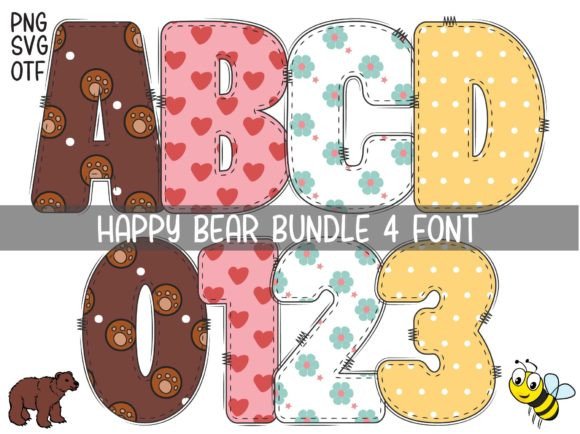
This isn't your standard typeface sitting quietly in the background. Happy Bear is a carefully crafted color font—a display typeface designed to become a visual element in its own right. Built as an OpenType-SVG font, it renders with built-in color and texture, meaning each letter arrives with depth, warmth, and character already baked in. Think of it less as a font and more as a design asset that happens to spell words.
What Makes a Color Font Different from Traditional Typography
If you've primarily worked with standard OTF or TTF files, the concept of a color font might feel unfamiliar. Traditional fonts are monochrome by nature—you select a typeface, then apply a single color to it through your design software. A color font like Happy Bear breaks that limitation entirely. Each glyph carries its own color information, gradients, and even texture details directly within the font file itself.
The result is typography that looks hand-illustrated, vibrant, and immediately eye-catching without requiring additional layering, masking, or effects in your design application. For someone creating a children's book cover, a playful brand identity, or social media graphics that need to stop a scrolling thumb, this distinction matters enormously. You're not just choosing letters—you're choosing a visual mood that's ready to use the moment you start typing.
Happy Bear's aesthetic leans into warmth and approachability. The letterforms feel friendly without being childish, making them versatile enough for both youthful brands and companies that want to project approachability. Whether you're designing a logo for a family-oriented business or crafting invitation text for a birthday celebration, the font brings an inherent cheerfulness that monochrome typefaces simply can't replicate on their own.
Practical Applications Across Creative and Commercial Projects
One of the strongest aspects of working with a display font like Happy Bear is its range of applications. Here's where designers and business owners tend to find the most value:
- Logo Design and Brand Identity: A logo sets the tone for everything a brand communicates. Happy Bear works exceptionally well for businesses targeting families, children's products, pet services, bakeries, or any brand that benefits from a warm, inviting personality. Because it's a color font, your logo typography immediately stands apart from competitors using standard black-and-white lettering.
- Packaging Design: Shelf appeal matters. Product packaging for snacks, toys, craft supplies, or specialty goods can use this typeface to create headlines and product names that pop. The built-in color and texture reduce production steps while delivering a polished, professional look.
- Social Media Graphics: Platforms like Instagram and Pinterest reward visual distinctiveness. Using Happy Bear for quote graphics, promotional announcements, or story overlays gives your content an immediate visual signature that followers begin to recognize and associate with your brand.
- Invitations and Event Materials: From baby showers to community fairs, event invitations benefit from typography that sets a mood before the reader processes a single word. This font handles that emotional heavy lifting naturally.
- Merchandise and Print-on-Demand: T-shirts, mugs, tote bags, and stickers often rely on bold, colorful text to attract buyers. A color font eliminates the need for complex multi-layer designs, streamlining your production workflow.
- Websites and Blogs: While body text should prioritize readability with a clean sans serif font, headers and decorative elements can benefit from the visual punch that Happy Bear provides. Used strategically in hero sections or call-to-action banners, it draws attention exactly where you want it.
For digital products—think printable planners, worksheets, or educational materials—this typeface adds a layer of perceived value. Customers downloading a PDF that features polished, colorful typography are more likely to view it as worth the price, which directly impacts conversion rates for entrepreneurs selling on platforms like Etsy or Gumroad.
Improving Visual Consistency and Brand Recognition
Typography plays a larger role in brand recognition than many business owners initially realize. Studies consistently show that consistent visual presentation increases revenue by up to 23%. When your typography matches your brand's personality across every touchpoint—from your website header to your Instagram stories to your product labels—customers develop a stronger mental association with your business.
Happy Bear supports this consistency by providing a distinct visual voice. If your brand personality skews playful, approachable, and creative, this typeface becomes a reliable anchor. Every time a customer encounters that specific lettering style, it reinforces your brand identity without requiring a logo or tagline. That kind of silent recognition is invaluable for small businesses competing against larger brands with bigger marketing budgets.
Professional presentation also benefits from intentional font choices. A mismatched or generic typeface can undermine even the best design work. When your typography aligns with your project's goals—whether that's conveying trust, excitement, whimsy, or sophistication—the entire composition feels cohesive and deliberate. That cohesion signals competence to your audience, whether they consciously recognize it or not.
Pairing Happy Bear with Complementary Typefaces
No single font should carry an entire design alone. Smart font pairing is about creating contrast and hierarchy—one typeface handles display duties while another manages longer reading passages. Since Happy Bear is inherently a display font with strong personality, it pairs best with simpler companions.
A clean sans serif font works beautifully for body text, product descriptions, or any content requiring sustained readability. Think of typefaces like Montserrat, Open Sans, or Lato as reliable partners that let Happy Bear's headers and titles shine without competing for attention. For projects with a more classic sensibility, a simple serif font like Lora or Merriweather can create an elegant contrast.
The key principle is balance. If your headline font is bold and colorful, your supporting text should be understated. This creates a natural visual hierarchy that guides the reader's eye from the most important elements to supporting information. Test your pairings by viewing them at actual size on screen and in print—what looks balanced in a design application sometimes reads differently in final output.
Technical Considerations and Compatibility
Before integrating Happy Bear into your workflow, it's worth understanding how color fonts function technically. This product ships as an OpenType-SVG file, which means the color data is embedded directly in the font. This format is supported by professional design applications including Adobe Photoshop, Adobe Illustrator, Silhouette Studio, and Inkscape.
It's important to note that the standard OTF or TTF versions of this font are not compatible with Cricut machines. If you use a Cricut for crafting projects, you'll want to verify your software supports OpenType-SVG rendering before purchasing. The creators provide a detailed Ultimate Font Guide that walks through compatibility, installation, and usage tips—worth reviewing before you begin any project.
For web use, browser support for color fonts has expanded significantly, though testing across devices and browsers remains essential. Not every browser renders OpenType-SVG identically, so having a fallback font specified in your CSS ensures your site remains functional and attractive regardless of the viewer's setup.
Licensing and Commercial Use
For designers and entrepreneurs, understanding font licensing isn't optional—it's a professional responsibility. Always review the specific license terms included with any premium font purchase. Most commercial fonts allow use in client projects, merchandise, and digital products, but restrictions can vary regarding the number of installations, allowable media types, or redistribution rights.
Happy Bear is positioned as a commercial font suitable for both personal and professional projects. Whether you're creating assets for your own business or designing for a client, confirm that the license covers your intended use. Keeping documentation of your font licenses also protects you and your clients from potential disputes down the road—a practice every designer should adopt early in their career.
Typography decisions might seem small in the grand scope of a project, but they compound. The right typeface accelerates recognition, reinforces messaging, and creates emotional connections that stock photography and generic layouts never achieve. For projects that need warmth, personality, and visual distinction without hours of custom illustration, Happy Bear offers a practical and genuinely enjoyable solution worth exploring.