Rose: The Color Font That Brings Authentic Detail to Your Work
There’s a particular kind of beauty in things that feel handcrafted, organic, and full of life. It’s the difference between a mass-produced greeting card and one that carries the subtle imperfections of a human touch. This is the space where the Rose color font lives. It’s not just a typeface; it’s a detailed decorative element, designed to infuse your projects with an authentic, artisanal feel. If you’ve ever struggled to find a font that doesn’t look sterile or overly digital, Rose might be the tool that finally lets your designs breathe.
More Than Letters: Understanding the Art of a Color Font
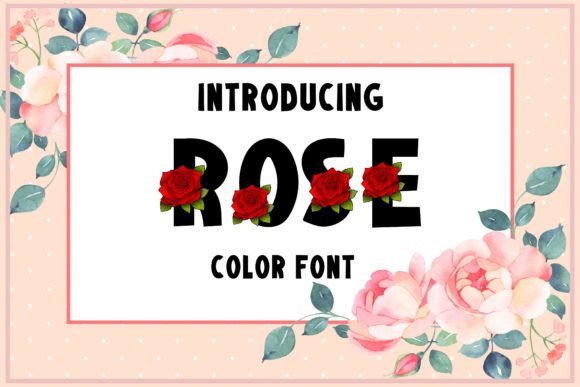
Before we explore its uses, it’s crucial to understand what makes Rose different. This is an OpenType-SVG color font. Think of each letter not as a simple outline filled with a single color, but as a tiny, multi-hued illustration. The petals, leaves, and delicate line work within each character are preserved in rich detail and color directly within the font file. This means you don’t need to add effects or textures after the fact—the beauty is built right in.
This technology, however, comes with a important note on compatibility. As a color font, Rose functions best in professional design software that supports the OpenType-SVG format, such as Adobe Photoshop, Illustrator, Affinity Designer, and Inkscape. It’s a premium font designed for desktop applications where you have full control over layers and effects. If your workflow involves software like Cricut Design Space, which often relies on standard OTF/TTF outlines, this particular style won’t be compatible. Always check the included font guide for the best setup practices for your tools.
The Versatile Charm of Rose in Real-World Projects
The true test of a creative font is how it performs across different mediums. Rose’s detailed, floral personality makes it exceptionally well-suited for projects where visual warmth and elegance are key. It’s a display font at heart, meaning it shines brightest in headlines, logos, and short bursts of text where its intricate details can be fully appreciated.
For Branding and Identity: Imagine a boutique bakery, a floral studio, a wedding planner, or a skincare brand using Rose for their logo or primary wordmark. It instantly communicates values of craftsmanship, natural beauty, and attention to detail. Paired with a clean sans-serif font for body copy, it creates a balanced and memorable brand identity that feels both professional and personal.
In Packaging and Product Design: On a product label, a shopping bag, or a gift tag, Rose transforms packaging into a keepsake. Its authentic feel can elevate a simple jar of jam or a box of candles into a premium, giftable item. The color aspect adds a layer of richness that monochrome fonts can’t match, making your product stand out on a shelf or in an online store.
Across Digital and Print Media: The applications extend far beyond logos. Use it to create stunning social media graphics that stop the scroll—think Instagram story headers, quote cards, or sale announcements. For bloggers and content creators, it can add personality to featured images, Pinterest pins, or ebook covers. In print, it’s perfect for wedding invitations, greeting cards, thank you notes, posters for local events, or even editorial layouts in magazines and lookbooks where a touch of whimsy is needed.
Practical Advice for Using an Ornate Typeface
Working with a highly detailed font like Rose requires a thoughtful approach to ensure your designs remain effective and readable. Here’s how to integrate it successfully into your workflow.
- Prioritize Readability: Because of its decorative nature, Rose is best used for short, impactful text. Avoid setting long paragraphs or small body copy with it. Reserve it for headlines, subheadings, logos, and call-to-action phrases where clarity is paramount and the font can act as an artistic focal point.
- Master the Font Pairing: The key to professional typography is contrast. Pair Rose with a simple, legible serif or sans-serif font. For example, a classic serif like Georgia or a modern sans-serif like Montserrat provides a calm, readable foundation that allows Rose’s ornate details to shine without causing visual chaos. This pairing is fundamental to good web design and editorial design.
- Consider the Color Palette: While the font comes with its own colors, you can often change them in supporting design software. Ensure the colors within the font complement your overall brand palette or project theme. Test it on different backgrounds—light, dark, textured—to see how the details hold up.
- Review All Included Styles: A good premium font family often includes alternates, ligatures, or stylistic sets. Explore the full character map in your design software. You might find different floral arrangements, swashes, or punctuation marks that offer even more customization for your unique project.
- Understand Licensing: If you’re using Rose for commercial projects—like client work, merchandise for sale, or marketing assets—ensure your license covers that use. Most designers and foundries are clear about their terms, so a quick review protects you and supports the creators who build these valuable design assets.
Bringing Your Vision to Life with Thoughtful Typography
Ultimately, choosing a typeface like Rose is about more than just aesthetics; it’s a strategic decision in visual communication. It’s for the entrepreneur who wants their brand to feel approachable yet refined. It’s for the designer crafting an invitation that needs to feel special before it’s even opened. It’s for the content creator whose visual language is built on beauty and authenticity.
By understanding its strengths—its ability to add instant character, its compatibility with key creative software, and its role as a powerful display element—you can use Rose to build stronger visual consistency and deeper audience engagement. It’s a tool that, when used with intention, helps translate the unique personality of a project into a tangible, beautiful form. So, open up your design software, experiment with a simple headline, and see how this delicate font can make your next creative idea truly stand out.