Wildflower: A Playful Font for Creative Projects
There’s a certain magic in designs that feel both artistic and approachable. You know the kind—invitations that make you smile, children’s books that spark imagination, or social media graphics that feel genuinely friendly. Often, the secret ingredient isn’t a complex illustration or a bold color palette; it’s the typography. Fonts like Wildflower have a unique ability to inject personality and warmth into a project, bridging the gap between professional polish and heartfelt charm.
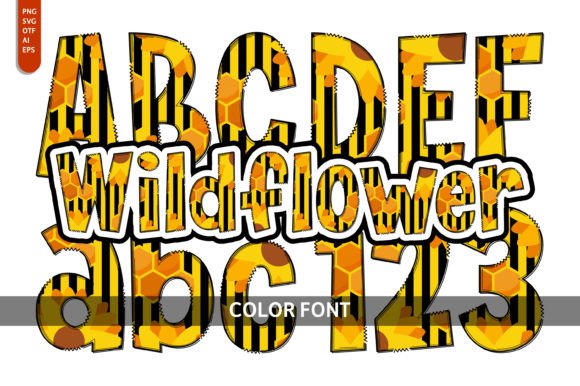
Wildflower isn't just another script font. It’s a color font, built with OpenType-SVG technology, which means it can carry multiple colors, gradients, and even texture within a single glyph. This transforms letters from simple shapes into miniature pieces of art. Imagine a logo where the letters themselves look like they were painted with watercolors, or a poster headline that seems to bloom off the page. This is the kind of visual depth and character that a premium font like this brings to the table.
More Than Just a Pretty Typeface
While its whimsical, handwritten style is immediately appealing, Wildflower’s real value lies in its practical application across diverse creative and commercial projects. For a small business owner crafting a brand identity, choosing the right display font is a critical decision. A playful, artistic typeface can instantly communicate brand values like creativity, warmth, and authenticity—think of a boutique bakery, a handmade jewelry shop, or a children’s clothing line. The font becomes a foundational part of the visual story.
This extends seamlessly into logo design and packaging. A logo set in a font like Wildflower feels custom and artisanal, helping a brand stand out in a crowded market. On product packaging, it can create an immediate emotional connection with the customer, suggesting care and craftsmanship. The visual consistency achieved by using such a distinctive font across your logo, website headers, and social media graphics strengthens brand recognition immensely. People start to associate that friendly, artistic lettering with your specific business.
Practical Uses Across Your Creative Workflow
Let’s get specific. Where does a font like this truly shine? The applications are surprisingly broad, blending digital and print worlds with equal effectiveness.
- Editorial & Publishing: Perfect for chapter titles in children’s books, eye-catching pull quotes in magazines, or headings for blog posts about art, DIY, or lifestyle topics. It adds a layer of engagement that standard serif or sans serif fonts might lack.
- Digital Marketing & Social Media: Stand out in a scrolling feed. Use it for Instagram quote graphics, Facebook ad headlines, or Pinterest pins for recipes and craft tutorials. Its inherent personality boosts audience engagement and makes content more shareable.
- Print & Stationery: This is where it feels most at home. Wedding invitations, baby shower announcements, greeting cards, and event posters all benefit from its heartfelt, celebratory vibe. It’s also ideal for creating custom merchandise like tote bags, mugs, or t-shirts.
- Web & Digital Products: Use it strategically for website hero sections, call-to-action buttons, or the title of an e-book or online course. It’s important to pair it wisely for readability—more on that soon—but it can make a digital product feel incredibly special.
Smart Implementation: Pairing and Readability
A font with this much personality requires a thoughtful approach. The key to professional presentation is balance. You wouldn’t set an entire paragraph of body copy in a decorative script font; it would be exhausting to read. Instead, use Wildflower for headlines, subheadings, and short, impactful phrases where its character can be fully appreciated.
The art of font pairing is essential here. To ensure readability and create a harmonious design, pair your Wildflower display font with a clean, neutral companion. A simple sans serif font like Montserrat or Lato for body text creates a beautiful contrast, allowing the headline to pop without overwhelming the reader. Alternatively, a classic serif font like Lora or Merriweather can offer a more elegant, editorial feel. Always test your pairings in context—see how they look on a mockup business card, a website header, or a social media graphic before committing.
Remember, this is an OpenType-SVG color font. Compatibility is key. It works beautifully in modern design software like Adobe Photoshop, Illustrator, and Silhouette Studio, as well as Inkscape. However, it’s crucial to note that the standard OTF/TTF files are not compatible with cutting machines like Cricut. Always check the technical specifications for your specific workflow. For those new to color fonts, consulting a comprehensive guide on using these modern typefaces can save time and unlock their full potential.
Choosing the Right Tool for Your Brand’s Voice
Ultimately, selecting a font is about matching a visual tool to your project’s goals. Ask yourself: What emotion should this design evoke? Who is my audience? A playful, handwritten font is perfect for connecting with parents, hobbyists, or anyone seeking a touch of handmade authenticity. It might be less suitable for a corporate law firm’s annual report, but it’s ideal for a yoga studio’s new class schedule or a indie author’s book cover.
Think of your typography as the voice of your design. Wildflower speaks in a tone that is friendly, creative, and full of life. By using it intentionally—for the right projects, in the right places, and paired with the right supporting fonts—you can elevate your visual communication from merely informative to truly engaging. It’s a design asset that, when used well, doesn’t just display words; it helps tell your story.