Asphalt Road: A Playful Display Font for Creative Projects
There's a certain energy that comes with a font that doesn't take itself too seriously. It's the kind of typeface that makes you smile before you've even read the words. Asphalt Road is exactly that—a display font built for moments when your design needs personality, warmth, and a touch of handcrafted charm. If you've ever struggled to find a typeface that feels approachable without sacrificing style, this one deserves a closer look.
Where Whimsy Meets Professional Design
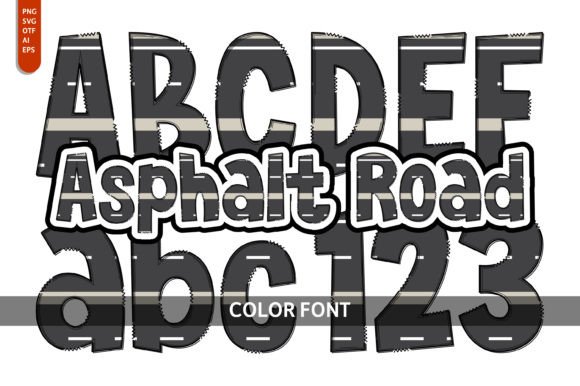
Asphalt Road falls into the category of playful display fonts, but that doesn't mean it's limited to casual projects. Its letterforms carry a hand-drawn quality that feels organic and inviting, making it a natural fit for children's books, greeting cards, and invitations. Yet the design is refined enough to work in branding contexts where a company wants to project friendliness and creativity rather than corporate stiffness.
What sets this typeface apart from other creative fonts is its balance. Some whimsical fonts lean so far into quirkiness that they become illegible at smaller sizes. Others sacrifice personality for readability and end up feeling generic. Asphalt Road threads that needle carefully. The characters have distinct shapes and playful proportions, but they remain clear and easy to parse whether you're setting a headline or a short tagline.
Real-World Applications That Make Sense
Think about the projects where tone matters as much as the message. A bakery branding its packaging wants customers to feel warmth and homemade quality. A children's clothing line needs typography that appeals to parents while reflecting the joy of childhood. A social media campaign for a family-friendly event needs graphics that pop in a crowded feed without feeling cold or overly corporate. These are the spaces where Asphalt Road thrives.
Here are some practical ways designers and business owners are using fonts like this one:
- Logo design for brands that want an approachable, creative identity
- Packaging design for food products, handmade goods, and children's items
- Social media graphics where scroll-stopping personality is essential
- Blog headers and featured images that need visual warmth
- Invitations and greeting cards for weddings, birthdays, and holidays
- Poster design for community events, markets, and workshops
- Merchandise like tote bags, stickers, and apparel
- Editorial layouts for magazines and zines targeting creative audiences
- Digital products such as planners, worksheets, and printable art
- Website hero sections where a bold headline sets the mood
The versatility here is real. A single font family can unify the look of an entire brand when it's applied thoughtfully across different touchpoints—from the logo on a business card to the typography on an Instagram story.
Color Fonts: What You Need to Know
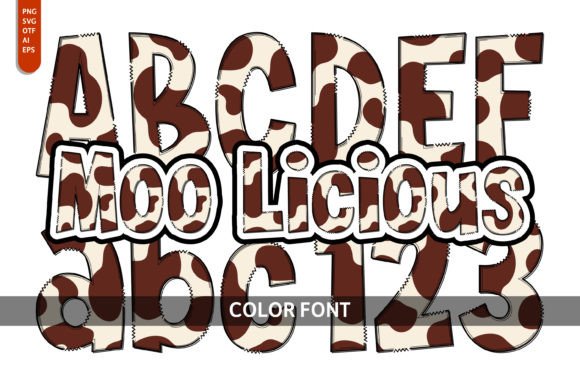
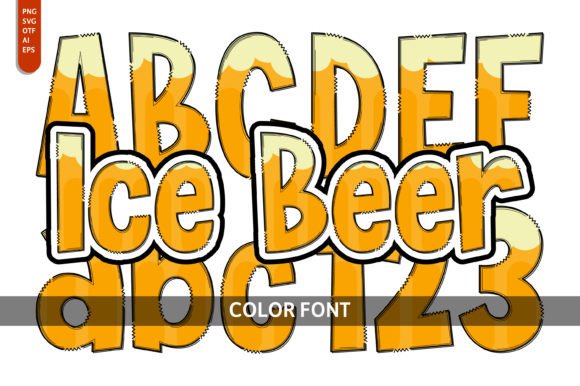
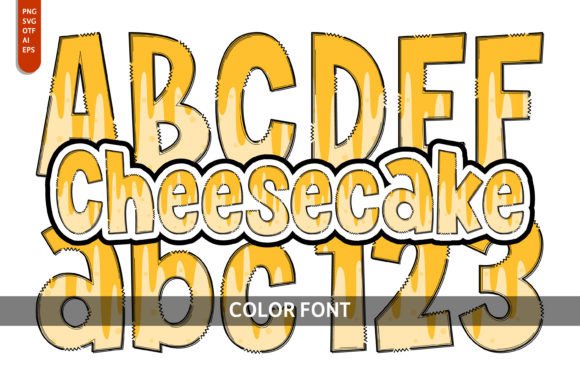
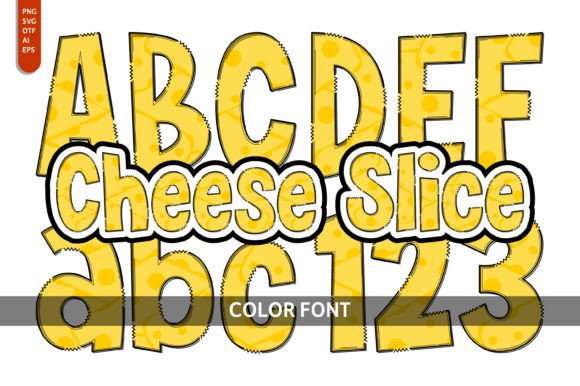
One important detail about Asphalt Road is that it's a color font built with OpenType-SVG technology. This means the font itself carries color information, allowing you to use multi-colored letterforms without manually applying fills or effects. It's a feature that opens up creative possibilities, especially for projects where vibrant, eye-catching text is a priority.
That said, compatibility matters. This font works seamlessly in Photoshop, Illustrator, Silhouette, and Inkscape. If you're a Cricut user, the standard OTF and TTF files won't be compatible with your machine—a limitation worth knowing before you invest time in a project. Checking the font guide provided by the creator can save you frustration and help you get the most out of the color font features.
For designers working in Adobe software, the experience is smooth. You install it like any other font, and the color rendering happens automatically. For crafters using Silhouette Studio, the same applies. The key is making sure your software version supports OpenType-SVG fonts, which most current versions do.
Pairing Asphalt Road with Other Typefaces
A playful display font rarely works well on its own for body text. That's not a flaw—it's a design principle. Fonts like Asphalt Road are meant to command attention in headlines, logos, and short bursts of text. For longer passages, you'll want to pair it with a clean sans serif or a simple serif font that doesn't compete for attention.
Some pairing approaches that work well:
- Asphalt Road + a geometric sans serif for a modern, friendly brand identity
- Asphalt Road + a classic serif for editorial layouts that blend whimsy with sophistication
- Asphalt Road + a neutral handwritten font for a cohesive craft-inspired aesthetic
The goal is contrast without conflict. Your display font does the heavy lifting in terms of personality, while the supporting typeface handles readability for paragraphs, captions, and smaller interface text. Test your pairings at actual sizes—what looks balanced in a 40-point headline might feel chaotic when both fonts appear on the same business card.
Matching Typography to Project Goals
Before choosing any font, it helps to articulate what your project actually needs. Are you designing for a brand that wants to feel playful and youthful? Or are you creating marketing materials where professionalism is the baseline and personality is a bonus? The answers shape which typeface styles make sense.
Asphalt Road works best when the creative brief includes words like fun, approachable, handmade, whimsical, or energetic. It's less suited for projects that demand formality, minimalism, or a strictly corporate tone. That's not a limitation—it's clarity. Knowing what a font does well helps you use it with confidence rather than forcing it into contexts where it feels out of place.
For small business owners building a brand from scratch, consider how this typeface might fit into your broader visual identity. A premium font like Asphalt Road can become a signature element that customers associate with your brand, especially when it's used consistently across packaging, social media, and print materials. That kind of visual consistency builds recognition over time, and recognition builds trust.
Practical Tips for Getting the Most Out of Your Font
Once you've decided Asphalt Road is the right fit, a few practical habits will help you use it effectively:
- Review all included styles and glyphs. Many creative fonts come with alternates, ligatures, or stylistic sets that give you more flexibility. Spend time exploring what's included before settling on a final design.
- Test at multiple sizes. A font that looks stunning at 72 points might lose clarity at 18 points. Make sure your intended use case works at the size you'll actually be using.
- Consider your color palette. Since this is a color font, the built-in colors are part of the design. Think about how those colors interact with your brand palette or project background.
- Check licensing for commercial use. If you're using the font for client work, merchandise, or products you sell, make sure the license covers your intended use. This is a detail that's easy to overlook but important to get right.
- Don't overuse it. A distinctive display font loses its impact when every piece of text in your design uses it. Reserve it for moments where personality matters most.
Typography is one of those design elements that works quietly in the background until it doesn't. A poorly chosen font can undermine an otherwise strong design, while the right one can elevate a simple layout into something memorable. Asphalt Road gives you a tool for those moments when your project needs to feel human, creative, and full of character—without losing the professionalism that keeps your audience engaged.
Whether you're a designer building out a client's brand identity, a crafter creating custom invitations, or a small business owner refreshing your packaging, having a reliable creative font in your toolkit makes the design process faster and more enjoyable. The best typography choices feel effortless to the viewer, even when they required real thought behind the scenes. That's the kind of work Asphalt Road supports.