The Playful Power of Honeycomb: A Font for Creative Brands
There’s a reason certain typefaces just feel right for a project. You know the feeling—when you land on a font and everything clicks into place. The message suddenly has a voice, the design has personality, and the whole layout starts to sing. That’s the magic of finding a typeface that doesn’t just display words but actually communicates an emotion. If your creative work leans toward the joyful, the artistic, or the delightfully unconventional, there’s a particular style of typography that might be exactly what you’re searching for: one that evokes a sense of playful sophistication and organic charm.
What Makes This Typeface Stand Out?
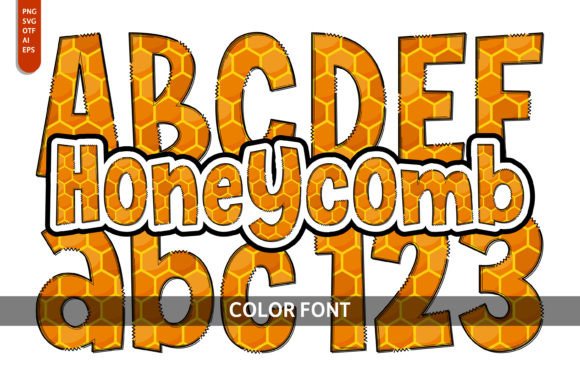
At its core, this is a display font with a distinctive character. Its letterforms often feature soft, rounded edges, subtle irregularities, and a handcrafted quality that feels warm and approachable. Think of the gentle curves of a honeycomb—organic, structured yet natural, and inherently inviting. This aesthetic makes it a fantastic choice for projects where you want to inject personality without sacrificing clarity. It’s not a sans serif font that blends into the background, nor is it a rigid serif font. It occupies a sweet spot: it’s readable enough for headlines and short blocks of text, but distinctive enough to be a visual anchor in your design.
The beauty lies in its versatility. Many versions of this style come as a premium font family, offering multiple weights and styles—perhaps a regular, bold, italic, and even a script font or handwritten font companion. This allows you to create dynamic hierarchies and visual interest within a single project. For a small business owner, this means you can build a cohesive brand identity system using one versatile type family, ensuring your logo, website, and packaging all speak the same visual language.
From Branding to Packaging: Where It Truly Shines
Let’s talk about real-world applications. This is where a creative font like this proves its worth beyond just looking pretty. For entrepreneurs and content creators, typography is a silent salesperson. The right typeface can make a product feel artisanal, a service feel friendly, or a digital product feel innovative.
Consider logo design. A logo using this style can instantly convey a brand’s core values—perhaps creativity, approachability, or artisanal quality. It’s particularly effective for businesses in the lifestyle, wellness, food, or creative education sectors. In packaging design, its friendly appearance can make a product stand out on a crowded shelf, suggesting that what’s inside is crafted with care. For social media graphics, it grabs attention in a fast-scrolling feed, helping your posts become more memorable and shareable.
The applications extend far beyond the digital realm. It’s equally powerful in print. Think of posters for community events, invitations for weddings or parties, or greeting cards that need to feel personal and heartfelt. Its editorial design potential is also strong—use it for chapter titles in a book, magazine headlines, or blog post headers to inject personality into your written content. For web design, it can create a welcoming homepage hero section or style standout marketing assets like email headers and lead magnets.
Choosing and Pairing for Maximum Impact
So, how do you actually implement it effectively? First, think about your project’s goal. Are you aiming for whimsical and child-friendly? A bolder, rounder weight might be perfect. Looking for something more elegant and artistic? A lighter weight or a connected script variant could be the answer. Always review the included font styles in the family you’re considering. A good commercial font will offer enough variety to support a full design system.
Next, consider font pairing. A display font with this much personality often works best when balanced with a clean, neutral companion. Pair it with a simple sans serif font for body text to ensure readability in longer paragraphs. The contrast creates visual hierarchy and keeps the design from feeling overwhelming. For example, you might use the display font for all your main headlines and a complementary sans serif for subheadings and body copy on your website or in a brochure.
Test it thoroughly. Does it remain legible at small sizes, like in a website footer or on a product label? How does it look in all caps versus lowercase? Print it out. View it on different screens. Readability considerations are non-negotiable, no matter how beautiful a font is. A font that’s hard to read undermines your message, no matter the context.
Building a Consistent and Engaging Visual Language
Ultimately, the goal of any design asset is to support your communication. When you choose a typeface with a strong, consistent personality, you’re investing in visual consistency. Your audience starts to recognize your style across different touchpoints—from your Instagram posts to your email newsletters to your product hangtags. This builds brand recognition and trust. It makes your small business or creative project look polished and intentional, which is crucial for standing out in a crowded market.
For the marketer or blogger, this font style can become a signature element. It helps your content feel more curated and professional, potentially increasing audience engagement because the visual presentation complements the quality of your ideas. It’s a tool that bridges the gap between a good idea and a great-looking presentation.
One final, crucial point: always check the licensing. A premium font typically comes with a commercial license that allows you to use it across all your projects—client work, merchandise, digital products—without legal headaches. This is an important part of your design assets toolkit. Investing in a quality typeface is investing in the professionalism and scalability of your creative work. It’s the kind of detail that separates the amateur from the professional, and in the world of modern typography, those details make all the difference.