Moo Licious: The Playful Display Font for Creative Projects
Finding a typeface that captures a specific mood—something whimsical, energetic, and undeniably fun—can completely transform a design. That’s exactly the kind of visual energy a font like Moo Licious brings to the table. It’s a display typeface built for projects that need personality, whether you’re designing a children’s book cover, crafting social media posts for a bakery, or creating packaging for a handmade product line.
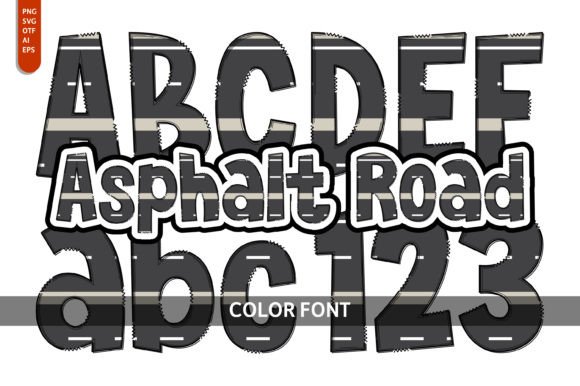
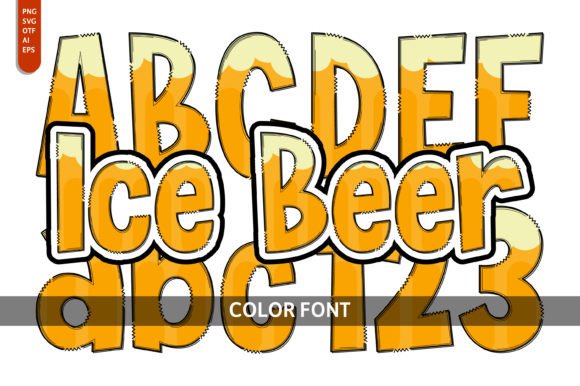
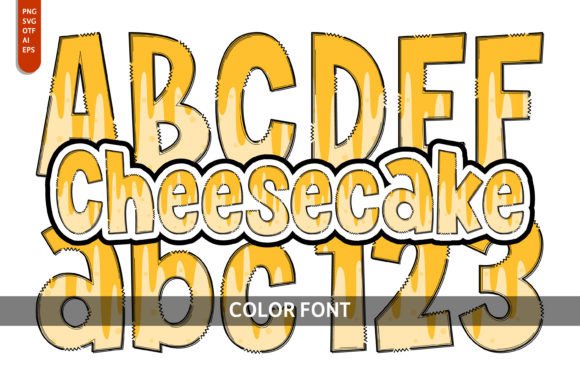
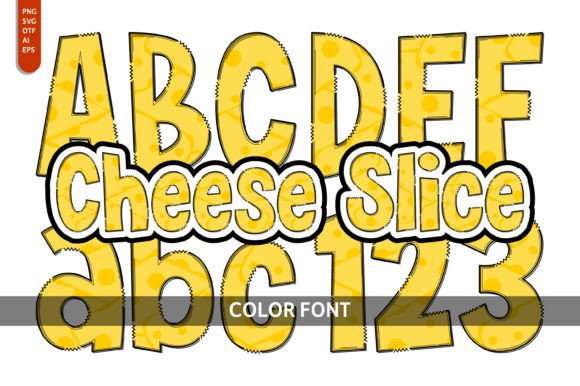
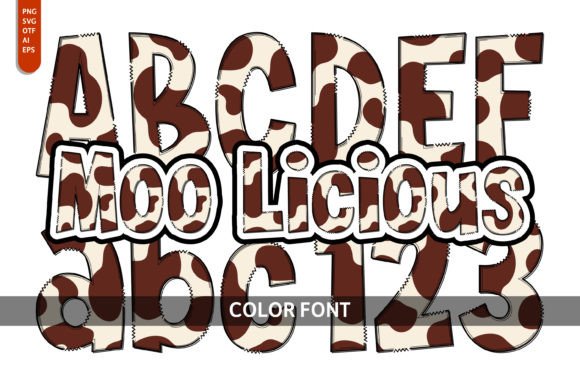
What sets this particular font apart is its color. Moo Licious is an OpenType-SVG color font, meaning it arrives with built-in color gradients and textures that render directly in compatible design software. Instead of a flat, single-color letterform, each character displays a vibrant, multi-toned appearance right out of the box. This makes it especially useful for designers who want that hand-painted or illustrated look without spending hours manually adding effects.
Where Playful Typography Shines
Think about the projects where a lighthearted, artistic font isn’t just decorative—it’s functional. Children’s books are a classic example. Young readers respond to visuals that feel engaging and accessible, and a font with rounded, expressive letterforms helps create that inviting atmosphere. But the applications go far beyond bedtime stories.
Small business owners selling artisan goods—think homemade jams, scented candles, or craft kits—often need typography that reflects the care and creativity behind their products. A display font like this works beautifully on labels, hang tags, and product inserts. It signals to customers that the brand values craftsmanship and a personal touch.
Content creators and bloggers also benefit from typefaces that stand out in crowded feeds. Instagram graphics, Pinterest pins, and YouTube thumbnails all compete for attention. Using a distinctive, colorful font for headlines or callouts helps establish visual consistency across platforms, making content more recognizable as users scroll.
Practical Applications Across Design Projects
Let’s break down some specific scenarios where a font with this kind of personality can add real value:
- Logo Design: For brands targeting families, kids, or creative markets, a playful typeface can become the foundation of a memorable logo. Pair it with a simple sans serif for body text to maintain balance.
- Packaging Design: Food products, toys, stationery, and beauty items aimed at younger audiences benefit from typography that feels approachable and fun. The built-in color effects reduce production steps during the design phase.
- Social Media Graphics: Quotes, announcements, and promotional posts gain visual interest when set in a typeface that pops. It’s particularly effective for Instagram Stories, Facebook ads, and TikTok overlays.
- Invitations and Greeting Cards: Birthday party invites, baby shower cards, and holiday greetings call for fonts that feel celebratory. A colorful, hand-lettered style sets the right tone immediately.
- Merchandise: Tote bags, stickers, mugs, and apparel designed for niche markets—like farmers’ markets, kids’ brands, or quirky gift shops—can use expressive typography to reinforce brand identity.
- Editorial Layouts: Magazine features, blog headers, and newsletter designs sometimes need a headline font that breaks away from the ordinary. Used sparingly, it draws the reader’s eye to key sections.
Making It Work: Pairing and Readability Tips
One thing experienced designers understand is that a bold display font rarely works well for long paragraphs. Its strength lies in headlines, titles, and short bursts of text. For body copy, pair it with a clean sans serif or a simple serif typeface. This contrast keeps the layout readable while letting the display font do what it does best—grab attention.
Before committing to a font for a project, test it in context. Set your actual headline text, not just the alphabet. Check how letter combinations look together. Some playful scripts and display fonts have ligatures or alternate characters that affect spacing and flow. Seeing the font in a real layout helps you catch any adjustments early.
Color fonts like Moo Licious also require specific software compatibility. They work in Adobe Photoshop, Adobe Illustrator, Silhouette Studio, and Inkscape. If you use Cricut Design Space, the standard OTF or TTF versions of this font won’t render the color effects as intended. Always verify that your tools support OpenType-SVG features before purchasing, especially if you plan to use the font for cutting machines or specialized craft software.
Building a Cohesive Brand Identity
Typography is one of the most powerful tools in a brand’s visual toolkit. The fonts you choose communicate tone, values, and personality before a customer reads a single word. A playful, colorful typeface tells the audience that a brand is approachable, creative, and perhaps a little whimsical. That’s why font selection isn’t just an aesthetic decision—it’s a strategic one.
For entrepreneurs building a brand from scratch, start by defining the feeling you want to evoke. If your target audience includes parents, kids, educators, or creative hobbyists, a display font with hand-drawn qualities and vibrant color can reinforce that positioning. Use it consistently across your logo, website headers, social templates, and printed materials to build recognition over time.
Keep in mind that visual consistency doesn’t mean using the same font everywhere. It means creating a typographic system—a small set of fonts that work together harmoniously. A display font for headlines, a complementary sans serif for subheadings, and a legible serif or sans serif for body text. When these elements relate to each other in style and weight, the overall design feels intentional and professional.
Choosing Fonts That Serve Your Goals
Not every project calls for the same typographic treatment. A law firm’s website needs a different voice than a cupcake shop’s menu. That’s why it helps to think about font selection as matching a tool to a job. Display fonts, handwritten fonts, and script fonts each serve distinct purposes. Understanding those distinctions saves time and prevents design mismatches.
When evaluating a new font, ask yourself a few practical questions. Does the character set include the symbols and glyphs I need? Are there multiple weights or styles included, like bold or italic versions? Is the licensing appropriate for my intended use—personal, commercial, or both? These details matter, especially when a font will appear on products for sale or in client work.
Fonts like Moo Licious come with specific licensing terms that outline how the typeface can be used. If you’re designing merchandise, packaging, or digital products that generate revenue, confirm that the license covers commercial applications. Most premium fonts from reputable foundries include clear licensing information, so review it before starting a project.
Final Thoughts on Creative Font Choices
The best typography choices happen when designers and creators think beyond aesthetics. A font should support the message, connect with the audience, and function well within the constraints of the medium. Whether you’re laying out a children’s activity book, designing a logo for a new food brand, or building social media templates for a small business, the typeface you select shapes how people perceive the work.
A color display font offers something unique in a designer’s toolkit. It combines the expressiveness of illustration with the functionality of typography, reducing the need for extra design steps while delivering eye-catching results. For projects that call for energy, warmth, and a handmade feel, it’s worth exploring what these creative font assets can do.
Take time to experiment. Set sample text, test color pairings, and see how the font behaves at different sizes. The more familiar you become with a typeface’s strengths and limitations, the more effectively you’ll use it in your work. Good design isn’t just about having great assets—it’s about knowing how and when to use them.