Moo Dorable: Where Playful Typography Meets Professional Design
Every designer hits a point where standard system fonts just won't cut it. You're working on a project that needs personality—something that feels handmade, energetic, and impossible to ignore. That's where a typeface like Moo Dorable enters the conversation. It's not just another decorative font collecting digital dust in your library. This particular style brings a distinct artistic warmth that can transform flat layouts into memorable visual experiences, especially when your project calls for approachability and charm.
Understanding the Visual Appeal
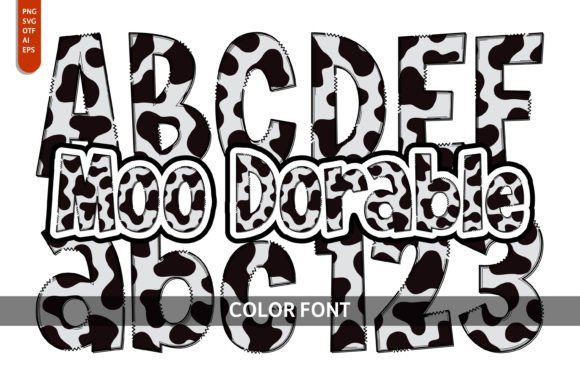
What sets Moo Dorable apart from countless other display fonts is its balance between whimsy and legibility. Too many playful typefaces sacrifice readability for style, leaving viewers squinting at distorted letterforms. This one manages to maintain clear character shapes while injecting genuine personality into every glyph. The strokes feel organic, almost as though someone sketched them with care, which gives your designs an authentic, crafted quality that sterile sans serif fonts simply cannot replicate.
That organic quality matters more than people realize. When you're designing something meant to connect emotionally—a child's birthday invitation, a boutique bakery's packaging, a handmade jewelry brand's logo—your typography sets the entire mood before anyone reads a single word. Moo Dorable communicates warmth, creativity, and a certain lightheartedness that resonates with audiences who appreciate thoughtful design.
Practical Applications Across Creative Projects
The versatility of a well-crafted display font like this one extends far beyond a single use case. Consider how different professionals might apply it throughout their work:
- Brand Identity: Small businesses targeting families, children, or lifestyle audiences can build entire visual systems around this typeface. Think of a kids' clothing line, a family restaurant, or a pet grooming service—each benefits from typography that feels welcoming rather than corporate.
- Packaging Design: Shelf presence depends on instant recognition. A distinctive font applied to product labels, box art, or wrapping paper helps items stand out in crowded retail environments where consumers make split-second decisions.
- Social Media Graphics: Instagram posts, Pinterest pins, and Facebook headers all demand attention within milliseconds. Typography with character stops the scroll far more effectively than generic alternatives.
- Print Materials: Posters, flyers, greeting cards, and invitations gain tremendous impact when the typeface matches the event's energy. A children's book cover, a baby shower invitation, or a community event poster all thrive with expressive lettering.
- Digital Products: E-book covers, worksheet headers, online course graphics, and downloadable planners benefit from typefaces that feel premium yet approachable, helping creators establish credibility while maintaining warmth.
- Merchandise: T-shirts, tote bags, mugs, and stickers often rely on bold, readable display type to communicate messages quickly. A font with built-in personality reduces the need for excessive graphic elements.
- Editorial Layouts: Magazine features, blog headers, and newsletter banners can use this style for pull quotes, section titles, or cover lines that need visual punch without overwhelming body copy.
- Web Design: Hero sections, call-to-action buttons, and landing page headlines benefit from distinctive typography that reinforces brand personality while guiding visitors toward conversion goals.
Matching Typography to Your Project Goals
Choosing the right font starts with asking one fundamental question: what emotion should this design evoke? If the answer involves joy, playfulness, creativity, or approachability, a typeface like Moo Dorable deserves serious consideration. However, emotion alone shouldn't drive the decision. Context matters equally.
A children's educational app needs typography that feels fun but remains legible at small sizes on various screens. A wedding invitation demands elegance alongside personality. A food truck's menu board requires readability from several feet away. Each scenario calls for slightly different application strategies, even when using the same typeface.
One practical approach involves creating a mood board before committing to any font decision. Collect images, color swatches, and reference designs that capture your project's intended feeling. Then evaluate whether your chosen typeface harmonizes with those visual elements or creates friction. Moo Dorable tends to pair beautifully with clean sans serif fonts for body text, creating a hierarchy where the display type grabs attention while supporting copy remains easy to scan.
Technical Considerations Worth Noting
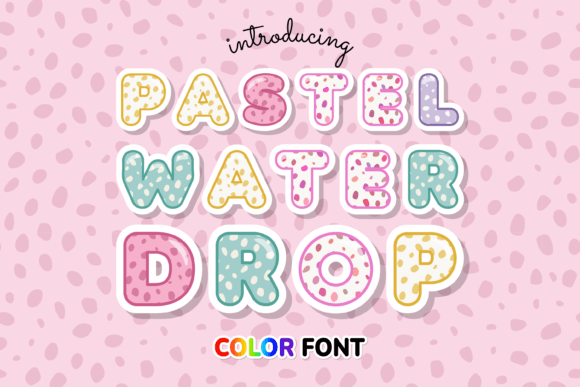
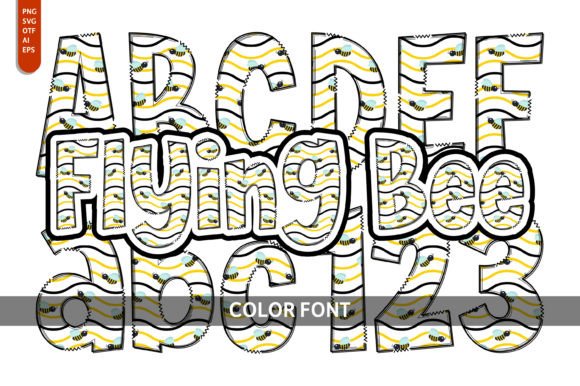
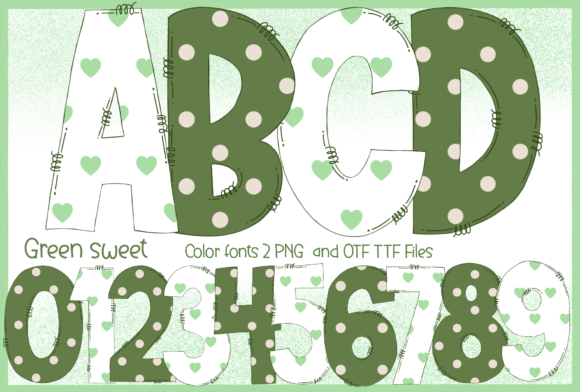
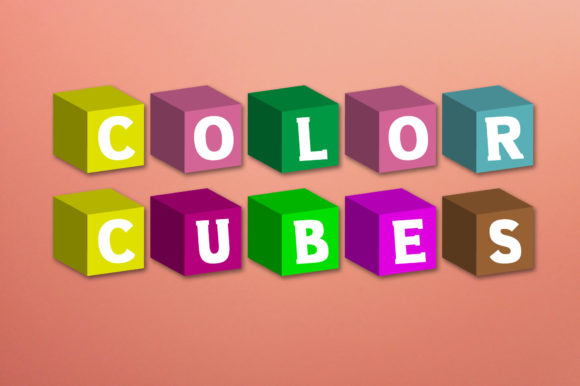
This particular product ships as a color font using OpenType-SVG technology, which means the letterforms can contain multiple colors, gradients, and textures within individual characters. That capability opens creative possibilities that traditional single-color fonts simply cannot offer. Imagine typography that looks hand-painted, with natural color variations that add depth and dimension to your designs.
Compatibility matters, though. This font works seamlessly with professional design applications including Adobe Photoshop, Adobe Illustrator, Silhouette Studio, and Inkscape. If you primarily design within those environments, integration should feel smooth and intuitive. However, it's important to understand that the OTF and TTF files included with this product are not compatible with Cricut machines. If you own a Cricut and plan to use this font for cutting projects, you'll want to explore alternative workflows or consult resources that explain how to work with color fonts in your specific setup.
Building Visual Consistency Across Touchpoints
Strong brands maintain typographic consistency across every customer interaction. From website headers to email signatures, packaging inserts to social media stories, the typefaces you choose become part of your brand's visual vocabulary. When audiences encounter the same distinctive lettering repeatedly, they begin associating those shapes with your business before even reading the accompanying text.
This recognition effect compounds over time. A bakery that uses the same playful display font on its storefront signage, its Instagram posts, its cake box stickers, and its loyalty cards creates a cohesive experience that feels intentional and professional. Customers may not consciously analyze the typography, but they absorb the consistency subconsciously, which builds trust and familiarity.
For entrepreneurs managing multiple design assets, establishing a simple type system early saves enormous time later. Pair your primary display font with one or two complementary typefaces for body text and supporting elements. Document these choices in a basic brand guide, even if it's just a single-page reference sheet. That foundation ensures every piece of content you produce feels unified, whether you're designing it yourself or handing specifications to a freelance designer.
Final Thoughts on Choosing Expressive Typography
The fonts you select communicate volumes about your brand's personality before visitors process your actual message. A typeface like Moo Dorable offers designers and business owners a tool that bridges the gap between professional polish and genuine warmth. It works particularly well for projects targeting audiences who value authenticity, creativity, and a human touch in visual communication.
Before finalizing any font choice, test it thoroughly within your actual design context. Set sample headlines, experiment with different sizes, check how it renders across intended platforms, and gather feedback from people who represent your target audience. Typography that looks stunning in isolation sometimes clashes with specific color palettes, imagery styles, or layout structures. The goal is finding type that enhances your overall composition rather than competing with it.
When you find that balance—where the typeface amplifies your design's message without stealing focus—you've made a typography decision that genuinely serves your project's success.