Why Rainbow Colors is the Playful Font Your Brand Needs
There's a reason certain color combinations make us smile before we even read the words. Think about the last time you saw a rainbow—the way those bands of color arc across the sky feels almost magical, like the universe decided to throw a party. That same feeling of joy, wonder, and creative energy is exactly what the Rainbow Colors typeface brings to your projects. If you've been searching for a creative font that captures a sense of playfulness without sacrificing versatility, this might be the design asset you didn't know you were missing.
A Typeface That Feels Like a Celebration
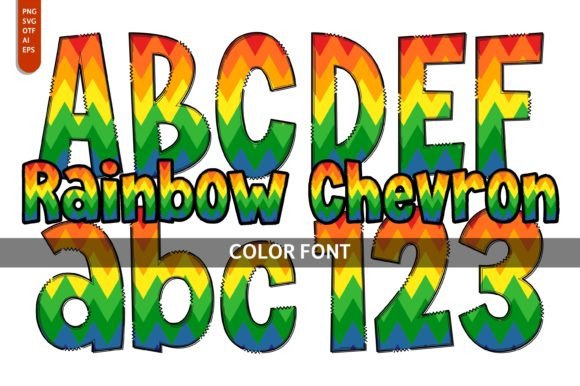
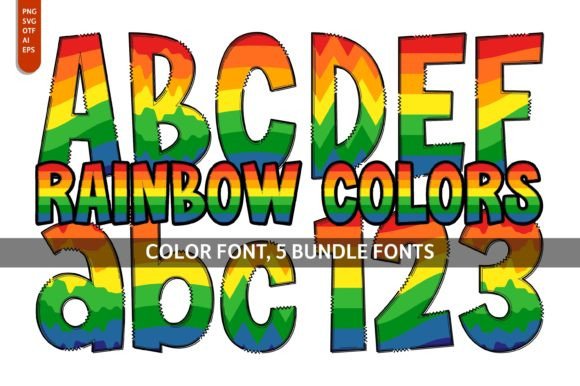
Rainbow Colors isn't your typical premium font. While many display fonts lean heavily into one mood—either ultra-modern, strictly professional, or overly whimsical—this typeface finds a sweet spot. It carries a handcrafted, artistic quality that immediately signals warmth and personality. The letterforms have a fluidity to them, almost as if they were drawn by someone who genuinely enjoys putting pen to paper. That organic feel makes it incredibly effective for projects where you want your audience to feel something—curiosity, delight, nostalgia, or excitement.
What sets Rainbow Colors apart from a standard script font or handwritten font is its adaptability. Yes, it's playful. But it doesn't scream "childish." Instead, it reads as confident, expressive, and intentional. That distinction matters enormously when you're choosing typography for branding or marketing materials. You want a typeface that communicates personality without limiting your audience, and Rainbow Colors does exactly that.
Where Rainbow Colors Truly Shines
Let's talk about real-world applications, because that's where any font earns its value. If you're a small business owner working on packaging design for artisan goods—think handmade candles, organic snacks, or boutique skincare—Rainbow Colors can give your labels and boxes a distinctive look that stands out on crowded shelves. The font's character lends itself beautifully to product names and taglines, creating an immediate emotional connection with shoppers browsing in stores or scrolling through an online shop.
For content creators and bloggers, this typeface works wonderfully for social media graphics. Instagram posts, Pinterest pins, and TikTok overlays all benefit from typography that grabs attention in a split second. Rainbow Colors has enough visual weight to anchor a design while still feeling approachable. Pair it with a clean sans serif font for body text, and you've got a combination that looks polished without being sterile.
Invitations and greeting cards are another natural fit. Whether you're designing wedding invitations with a modern bohemian vibe, birthday party invites for kids, or holiday cards for your small business's customer list, Rainbow Colors brings that celebratory energy without requiring a dozen other design elements to carry the mood. The font itself does the heavy lifting.
Then there's the world of merchandise and digital products. Tote bags, mugs, stickers, printable wall art, e-book covers—these are all spaces where a distinctive display font can make or break a product's appeal. Rainbow Colors has the kind of personality that people want to wear, display, or gift to others. That's not something every typeface can claim.
Making It Work for Your Brand Identity
Choosing the right font style for your brand isn't just about aesthetics—it's about communication. Every typographic decision you make sends a message to your audience before they process a single word. Rainbow Colors communicates creativity, approachability, and a willingness to stand out. If your brand values align with those qualities, incorporating this typeface into your visual identity can strengthen brand recognition significantly.
Think about how you'd use it across different touchpoints. Your logo might feature Rainbow Colors as the primary wordmark, especially if your business operates in creative industries, children's products, food and beverage, wellness, or lifestyle spaces. From there, the same typeface can extend to your website headers, email newsletters, blog post titles, and marketing assets. That kind of visual consistency across platforms builds familiarity, and familiarity builds trust.
One practical tip: pay attention to font pairing. Rainbow Colors works best when it's given room to breathe. Because it carries so much personality on its own, pairing it with an overly decorative second font can create visual noise. Instead, reach for a straightforward sans serif or a simple serif font for supporting text. The contrast will make Rainbow Colors pop even more while keeping your overall design balanced and readable.
Readability and Professional Presentation
Here's where some creative fonts fall short—they look gorgeous at large sizes but become illegible at smaller scales. Rainbow Colors holds up reasonably well across different sizes, which is important if you plan to use it for more than just headlines. That said, it's still a display-oriented typeface at its core. For extended paragraphs, body copy, or fine print, you'll want to switch to something designed for sustained reading. Use Rainbow Colors strategically for impact—headers, pull quotes, call-to-action buttons, product names, and featured text blocks—where its personality can shine without compromising clarity.
Before committing to any font for a major project, always test it in context. Drop Rainbow Colors into a mockup of your actual design rather than evaluating it in isolation. See how it interacts with your color palette, your imagery, and your layout. Check how it renders on different screens if you're building a website or creating digital products. Print a sample if you're working on physical materials. These small steps save you from discovering compatibility issues after you've already invested time and resources into a design direction.
Licensing and Getting Started
One practical consideration worth mentioning: commercial licensing. If you're using Rainbow Colors for client work, products you sell, or business branding, make sure you understand the licensing terms that come with your purchase. Most premium fonts offer different license tiers depending on usage—desktop, web, app, or extended commercial use. Reviewing the included font styles and license details upfront prevents headaches later, especially if your project scales or you plan to distribute materials featuring the typeface.
Take a moment to explore all the styles included with Rainbow Colors as well. Many premium font families come with alternates, ligatures, or weight variations that expand your creative options significantly. You might discover that a particular stylistic alternate perfectly suits your logo, or that a bold weight gives your poster designs exactly the punch they need. Those extra options are part of what you're investing in, so it's worth experimenting with them.
At the end of the day, typography is one of the most powerful tools in your design toolkit. It shapes perception, guides attention, and creates emotional resonance in ways that color and imagery alone cannot. Rainbow Colors offers a distinctive voice that's hard to replicate with more conventional typefaces. Whether you're refreshing your brand identity, launching a new product line, designing marketing materials, or simply looking for a font that makes your creative projects feel more alive, it deserves a spot on your shortlist. Add it to your next project and see how it transforms the conversation between your design and your audience.