Lotes: Bold Urban Typography for Stand-Out Designs
There's a certain energy that comes from type that refuses to blend in. When you're scrolling through a feed packed with generic sans-serifs and predictable scripts, something bold and unapologetic catches your eye immediately. That's the space Lotes occupies—a color font built for designers and creators who want their work to carry visual weight without sacrificing contemporary appeal. If you've been searching for a typeface that bridges the gap between street-level authenticity and polished design sensibility, this one deserves a closer look.
What Makes Lotes Different from Standard Typefaces
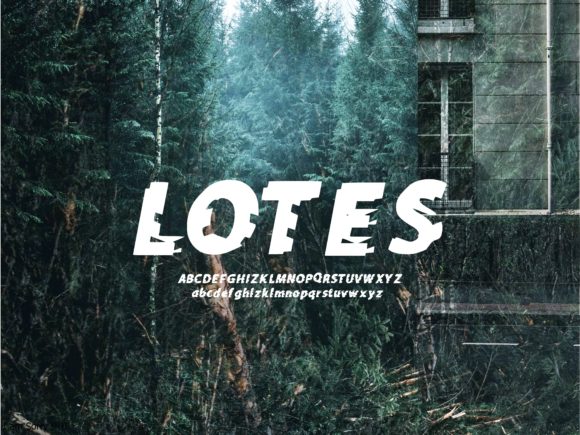
Lotes isn't just another display font sitting in your collection waiting for the right project. It's an OpenType-SVG color font, which means the letters themselves carry built-in color information directly within the glyphs. Instead of applying a flat fill after the fact, the color lives inside the character shapes, producing richer, more dynamic results the moment you type. This is a fundamentally different approach to typography, and it changes how you think about text as a design element.
The aesthetic leans urban and contemporary—think bold strokes, confident geometry, and a personality that communicates energy and modernity. Whether you're working on a logo for a streetwear brand, designing packaging for a craft beverage company, or creating social media graphics for a music festival, Lotes brings a visual punch that standard black-and-white typefaces simply can't match on their own.
It's worth noting that this product ships as OTF and TTF files and works seamlessly in Photoshop, Illustrator, Silhouette, and Inkscape. If you're a Cricut user, the current file formats aren't compatible, so keep that in mind before purchasing. For anyone unfamiliar with color fonts or how to get the most out of them, the accompanying Ultimate Font Guide walks through installation and usage in detail.
Where a Creative Font Like This Actually Shines
The practical applications for a typeface with this much personality are broader than you might initially think. Branding projects are an obvious starting point—especially for businesses that want to project confidence, creativity, and a slightly rebellious edge. A boutique gym, an independent record label, an urban photography studio, or a specialty coffee roaster could build an entire visual identity around the energy Lotes brings to the table.
Logo design is another natural fit. Because the color information is embedded in the font itself, you get logos that feel layered and intentional from the very first draft. Pair it with a clean sans-serif for body copy and you've got a brand system that balances impact with readability.
Packaging design benefits enormously from bold display type. On a crowded shelf—whether physical or digital—the first thing a customer notices is the visual hierarchy. A striking headline set in Lotes can anchor a label, a box flap, or a hang tag while supporting elements handle the detailed information. The same principle applies to poster design and editorial layouts where a single typographic choice sets the entire mood.
For social media graphics, where you have roughly two seconds to stop someone mid-scroll, bold color typography is a proven attention-grabber. Instagram stories, Facebook event banners, YouTube thumbnails, and Pinterest pins all benefit from type that carries its own visual interest without relying on elaborate background treatments.
Digital products like e-book covers, online course headers, and downloadable planners can also benefit from a display font that signals quality and thoughtfulness. Even something as simple as a blog header or a website hero section becomes more memorable when the typography does some of the heavy lifting.
Pairing Lotes with Other Fonts
A typeface with this much inherent character works best when it has room to breathe. That means choosing companions carefully. For body text, a neutral sans-serif font with generous x-height and open counters keeps longer passages readable while letting Lotes dominate headlines and callouts. Think of fonts like Inter, Work Sans, or Source Sans Pro—typefaces that do their job quietly and well.
If your project leans more editorial or sophisticated, a classic serif font can create an interesting tension with Lotes's urban energy. The contrast between a refined serif body and a bold color headline adds visual depth and makes each element feel more intentional by comparison.
Avoid pairing Lotes with other highly stylized script fonts or handwritten fonts unless you're very deliberate about the contrast. Too much personality competing for attention creates visual noise rather than hierarchy. The goal is to let one voice lead while others support.
Always test your pairings at actual size before committing. A combination that looks balanced on a large monitor might feel cramped on a mobile screen or illegible on a printed business card. Print a test sheet if you're working on physical materials, and preview on multiple devices if the project is digital.
Practical Considerations for Commercial and Creative Projects
Before integrating any premium font into a commercial workflow, licensing matters. Make sure the license covers your intended use—whether that's client work, merchandise, print-on-demand products, or digital downloads. This is especially important for small business owners and entrepreneurs who may be creating assets that will be reproduced at scale.
Readability is another factor worth testing honestly. Display fonts are designed for impact at larger sizes, so resist the temptation to set paragraphs of body text in Lotes. Use it where it excels—headlines, titles, short phrases, hero text, and accent words—and let a more restrained typeface handle the supporting role.
Review all included font styles and weights before starting a project. Understanding the full range of what's available helps you make more intentional choices and prevents mid-project surprises. Some projects might only need a single weight, while others benefit from using different styles for hierarchy and emphasis.
Consider your audience's expectations as well. A legal consultancy's website has different typographic needs than a streetwear brand's Instagram feed. Modern typography is about matching the visual voice to the message, not following trends for their own sake. Lotes makes sense when the project calls for energy, boldness, and a contemporary urban sensibility. If the context demands quiet authority or traditional elegance, a different approach might serve better.
Building Visual Consistency Across Touchpoints
One of the most underrated benefits of choosing the right display font early in a project is the consistency it creates across every deliverable. When your website headline, your packaging, your social media templates, and your printed materials all share the same typographic DNA, the result feels cohesive and professional—even if the individual pieces were designed weeks apart.
This kind of visual consistency directly supports brand recognition. People process visual information faster than text, and a distinctive typeface becomes a shortcut to identity. Think about how quickly you recognize certain brands just from their typography alone. That's the power of a deliberate, well-applied font choice.
For content creators and marketers managing multiple channels, establishing a simple type system—something like Lotes for headlines, a clean sans-serif for body copy, and a third option for accents or callouts—creates a framework that speeds up production without sacrificing quality. Templates become easier to build, approvals happen faster, and the finished work feels unified.
The best design assets aren't just visually appealing in isolation—they work as part of a larger system. Lotes, used thoughtfully, becomes a reliable anchor in that system, giving your projects a consistent visual signature that audiences begin to associate with your work or your brand over time.