Leo: The Woolly Font That Brings Playful Warmth to Every Project
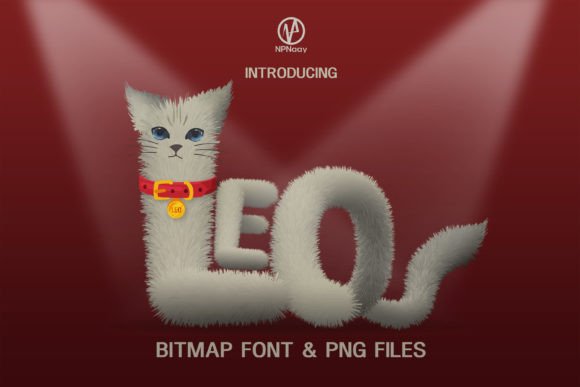
There’s a certain magic in designs that feel instantly approachable—the kind that makes you want to reach out and touch them. Leo, a friendly wool print color font, captures that feeling perfectly. It’s not just another typeface; it’s a visual texture that wraps your words in a cozy, inviting personality. Think of it as the typographic equivalent of a favorite sweater: comfortable, distinctive, and full of character. For anyone crafting a brand, product, or piece of communication, Leo offers a unique way to inject genuine warmth and playfulness into the visual narrative.
More Than Letters: The Visual Appeal of a Textured Typeface
What immediately sets Leo apart is its tactile, wool-inspired finish. The letterforms appear soft, slightly rounded, and have a charming, handcrafted quality that digital fonts often lack. This isn't a sterile, geometric sans serif or a formal serif font; it’s a display font with personality. The texture creates depth and visual interest, making headlines, logos, and callouts stand out in a sea of flat, uniform typography. Its friendly demeanor makes it an excellent choice for projects aiming to convey approachability, creativity, and a touch of whimsy. Whether you're a designer looking for a standout headline font or a small business owner seeking a logo typeface that feels personal, Leo delivers a distinct visual voice.
Putting Leo to Work: Practical Applications Across Industries
The true test of a creative font is its versatility. Leo’s playful yet readable style makes it surprisingly adaptable for a wide range of applications. Let’s move beyond theory and look at where this typeface can truly shine.
- Branding and Logo Design: A logo sets the first impression. Using Leo for a wordmark or supporting typography can immediately position a brand as friendly, creative, and approachable. It’s particularly effective for businesses in children’s products, artisan crafts, boutique cafes, or lifestyle blogs where a personal touch is paramount.
- Packaging and Product Design: On a shelf or in an online store, packaging needs to tell a story quickly. Leo’s textured letters can make product names on labels for jams, candles, cosmetics, or stationery feel more handmade and special. It helps create an unboxing experience that feels thoughtful and curated.
- Digital Presence: In the fast-scroll world of social media, a post needs to grab attention. Leo is perfect for bold Instagram quotes, YouTube thumbnails, or Pinterest graphics that need to pop. On a website, use it for hero section headers or section titles to guide visitors with engaging visual cues. It pairs beautifully with clean sans serif fonts for body text, balancing personality with readability.
- Print and Editorial Materials: From wedding invitations and event posters to magazine pull-quotes and book covers, Leo adds a layer of tactile charm. In editorial design, it can break up the monotony of long-form text, creating visual anchors that keep readers engaged.
- Merchandise and Marketing Assets: Imagine Leo on a tote bag, a t-shirt, or a mug. Its friendly aesthetic translates wonderfully to physical merchandise. For digital products like e-books or online course materials, it can make cover pages and chapter titles feel more engaging and less clinical.
Strategic Typography: How Leo Enhances Your Visual Communication
Choosing a font like Leo isn’t just an aesthetic decision; it’s a strategic one that impacts how your message is received. When used thoughtfully, it can strengthen several key aspects of your project.
Audience Engagement: Fonts carry emotional weight. Leo’s playful, woolly texture can evoke feelings of nostalgia, comfort, and joy. This emotional connection can make your content more memorable and shareable, encouraging your audience to pause and engage rather than scroll past.
Brand Recognition: Consistency is the bedrock of brand identity. By incorporating Leo as a consistent element in your headlines, logos, and key graphics, you create a unique visual signature. Over time, your audience will start to associate that friendly, textured look with your brand, helping you stand out in a competitive landscape.
Professional Presentation with Personality: There’s a fine line between professional and sterile. Leo helps you walk that line. It demonstrates design intention and attention to detail, showing that you’ve considered every element of your presentation. The key is using it strategically—let it be the star in headlines and logos, and support it with more neutral, highly legible fonts for body copy to maintain a polished, professional look.
Making the Most of Your Font Choice: Practical Considerations
Adopting a distinctive font like Leo comes with a few practical considerations to ensure it works seamlessly in your workflow.
Test Your Pairings: Leo is a display font, meaning it’s designed for impact at larger sizes. Pair it with a simple, clean serif or sans serif font for paragraphs and smaller text. A combination like Leo with a font like Open Sans or Lora often creates a beautiful contrast between playful display and functional readability. Always test pairings at the actual sizes you’ll use them.
Readability is Key: While Leo is legible, its textured nature means it’s best used for short bursts of text. Avoid setting long sentences or small body copy in this font. Its strength is in headings, titles, subheadings, and single words or short phrases where its character can be fully appreciated without straining the reader’s eyes.
Explore the Glyphs: A major advantage of a premium font like Leo is the breadth of its character set. Being PUA encoded means all the delightful swashes, alternates, and decorative glyphs are easily accessible in your design software. Don’t just use the basic alphabet. Explore the extra characters to add unique flourishes to initial letters, create custom ligatures, or add decorative elements to your designs. This is where you can truly make the font your own.
Understand the License: If you plan to use Leo for commercial projects—which includes anything from client work to selling merchandise—it’s crucial to ensure you have the appropriate commercial license. Reviewing the font’s licensing agreement is a standard part of using any design asset professionally and protects both you and the font’s creator.
In the end, finding the right typeface is about matching personality with purpose. Leo offers a wonderfully specific personality: warm, playful, and texturally rich. For the right project, it’s not just a font—it’s a conversation starter, a mood-setter, and a key ingredient in creating visuals that feel genuinely human and inviting. It’s a tool for anyone who believes that how something looks should make people feel good.