Hearts 3D: A Playful Font for Captivating Designs
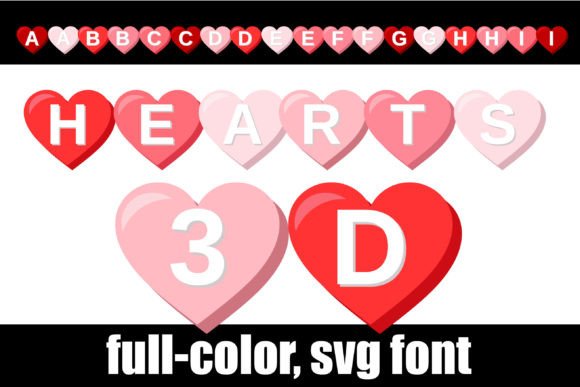
Sometimes, a design calls for more than just words—it needs a feeling. You’re working on a project that requires a dose of charm, a sprinkle of romance, or a burst of playful energy. This is where a font like Hearts 3D steps in, offering a unique visual solution that’s both modern and heartwarmingly expressive. It’s not just another typeface; it’s a design element built from tiny, colorful hearts, creating a textured, three-dimensional effect that immediately draws the eye. For creators looking to inject personality and emotion into their work, understanding how to use such a distinctive display font effectively can be a game-changer.
More Than Just a Pretty Typeface
At its core, Hearts 3D is a creative font that prioritizes visual impact over neutral readability. Each letterform is meticulously constructed from a pattern of small hearts, giving it a textured, almost tactile quality. This design makes it a standout choice for headlines, logos, and short bursts of text where you want to make an immediate emotional connection. Unlike a standard sans serif font or a classic serif font, its purpose is singular: to convey warmth, fun, and a sense of celebration. The “3D” aspect comes from the clever shading and layering within the heart pattern, which adds depth and prevents the design from looking flat or simplistic.
For a brand strategist or small business owner, this isn’t about replacing your primary typeface. It’s about having a specialized tool in your design assets kit. Think of it as a highlighter pen for your brand’s voice. It’s perfect for the moments when you need to say “I love you,” “Congratulations,” or “Let’s celebrate” with your design alone. The font’s personality is inherently joyful and romantic, making it a natural fit for industries like wedding planning, gift shops, children’s brands, bakeries, and lifestyle blogs.
Practical Applications: Where Playful Typography Shines
The true test of any premium font is its versatility in real-world projects. Hearts 3D excels in specific scenarios where its unique character can be fully appreciated without compromising the project’s overall clarity. Here’s how different professionals might put it to use:
- Invitations & Event Stationery: This is its sweet spot. For wedding invitations, baby shower announcements, or Valentine’s Day promotions, the font sets the tone instantly. It replaces generic clipart with integrated, typographic charm.
- Social Media Graphics: In a crowded feed, a social media graphic needs to stop the scroll. Using Hearts 3D for a quote, a sale announcement, or a holiday greeting can boost audience engagement through its sheer visual appeal and novelty.
- Packaging & Labels: Imagine a boutique chocolate box, a scented candle label, or a line of greeting cards. A few words set in this font can elevate packaging design from ordinary to memorable, reinforcing the product’s emotional appeal.
- Logo Design & Branding: For a brand centered on love, care, or celebration, elements of Hearts 3D can be incorporated into a logo or monogram. It helps in building immediate brand recognition for a very specific audience. This is a key part of developing a cohesive brand identity.
- Digital Products & Marketing Assets: Use it for the title of a downloadable PDF, the header of a love-themed email newsletter, or the cover of a romantic e-book. It adds a layer of perceived value and care to your digital products.
A content creator might use it for video thumbnails or podcast cover art, while a crafter could use it for sublimation prints or custom apparel. The key is applying it where its personality enhances, rather than hinders, the message.
Smart Design Choices: Pairing and Practicality
Introducing a highly stylized font like this into a project requires thoughtful planning to maintain professional presentation and readability. The first rule is restraint. Because it’s so detailed, it should be used sparingly—typically for headlines, logos, or single impactful words. Never set a paragraph of body text in Hearts 3D; it would become visually exhausting and illegible.
This is where font pairing becomes critical. The goal is to create contrast and hierarchy. A clean, simple sans serif font or a elegant, understated script font for supporting text will balance the playfulness of the hearts. For example, pair the bold, textured Hearts 3D for your main headline with a versatile sans-serif like Montserrat or Open Sans for the subheads and body copy. This creates a clear visual flow that guides the reader’s eye.
Always test your font pairings at the size they will be used. What looks good on a large monitor might become a muddy blob when printed small. Consider the context: a poster allows for larger, more expressive use, while a website header needs to be clear even on mobile screens. Before finalizing, print a test page or view it on multiple devices to ensure the heart pattern remains distinct and doesn’t blend into a solid color.
Leveraging the Full Toolkit
A significant practical advantage of this particular typeface is that it is PUA encoded. For the uninitiated, this means every glyph, swash, and alternate character is easily accessible, even in basic design software that doesn’t support advanced OpenType features. You can access the full range of stylistic options through your system’s character map, ensuring you can use the most decorative versions of the letters without hassle.
When you acquire a commercial font like this, always review the license. Most premium licenses allow for use in client projects, merchandise for sale, and digital products, but it’s your responsibility to verify the terms. This due diligence is part of visual consistency and legal compliance in professional work.
Ultimately, a font like Hearts 3D is a specialized tool for visual storytelling. It’s not about following a rigid editorial design rulebook, but about knowing when a project calls for a touch of whimsy and heartfelt expression. Used thoughtfully, it can transform a simple message into a captivating visual experience, making your design not just seen, but felt. It’s a reminder that in the world of modern typography, personality is just as important as precision.